Category: Manufacturing

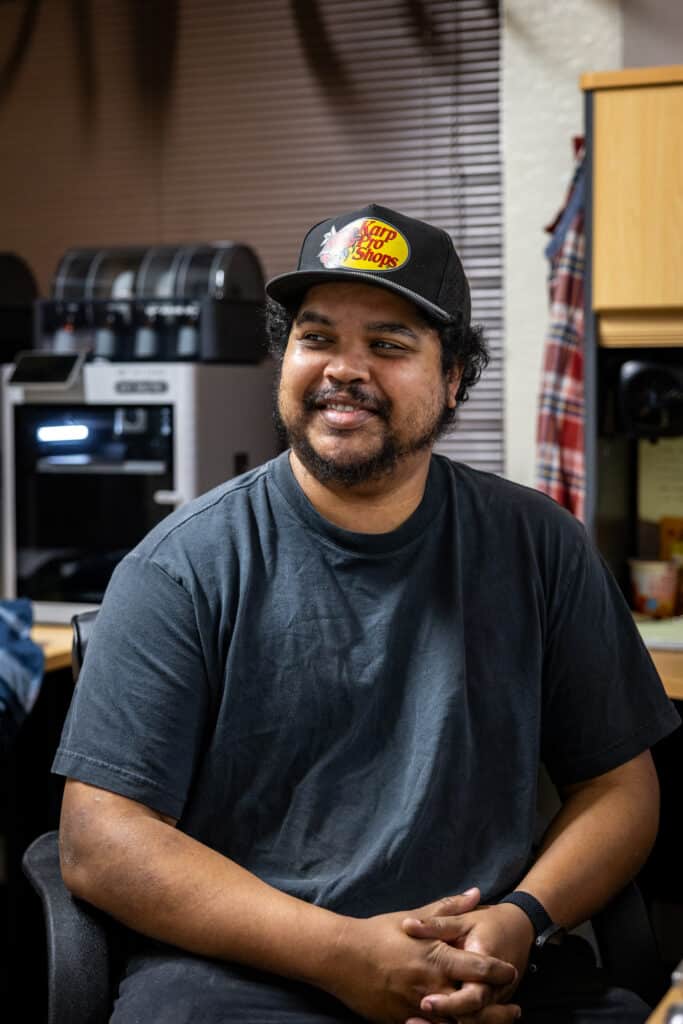
  • Meet Ed: The Craftsman Behind the Components

    Meet Ed: The Craftsman Behind the Components

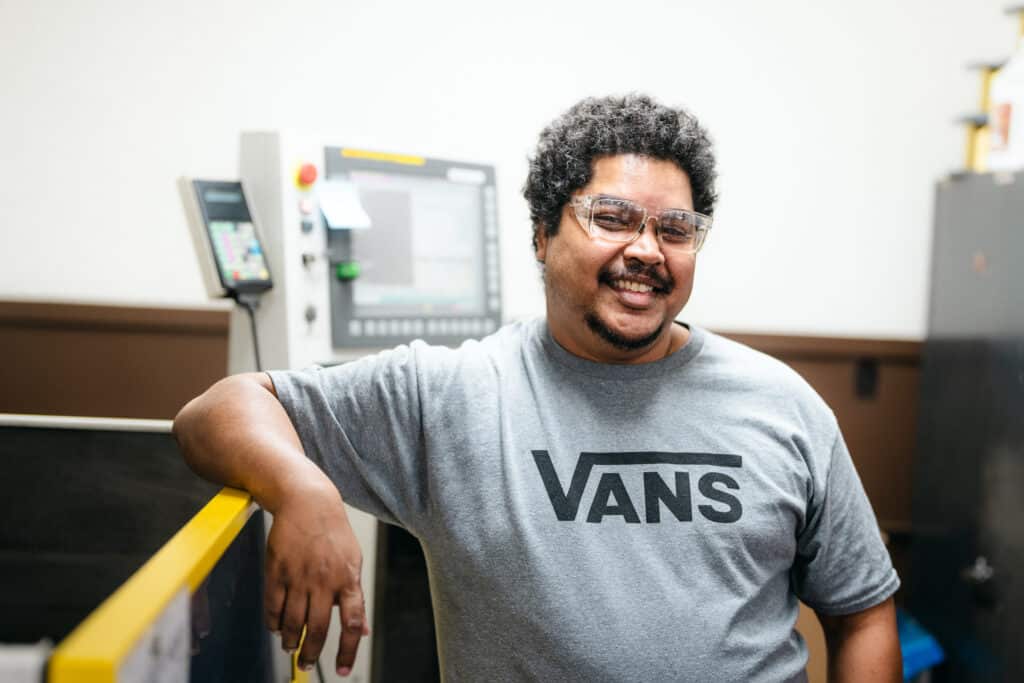
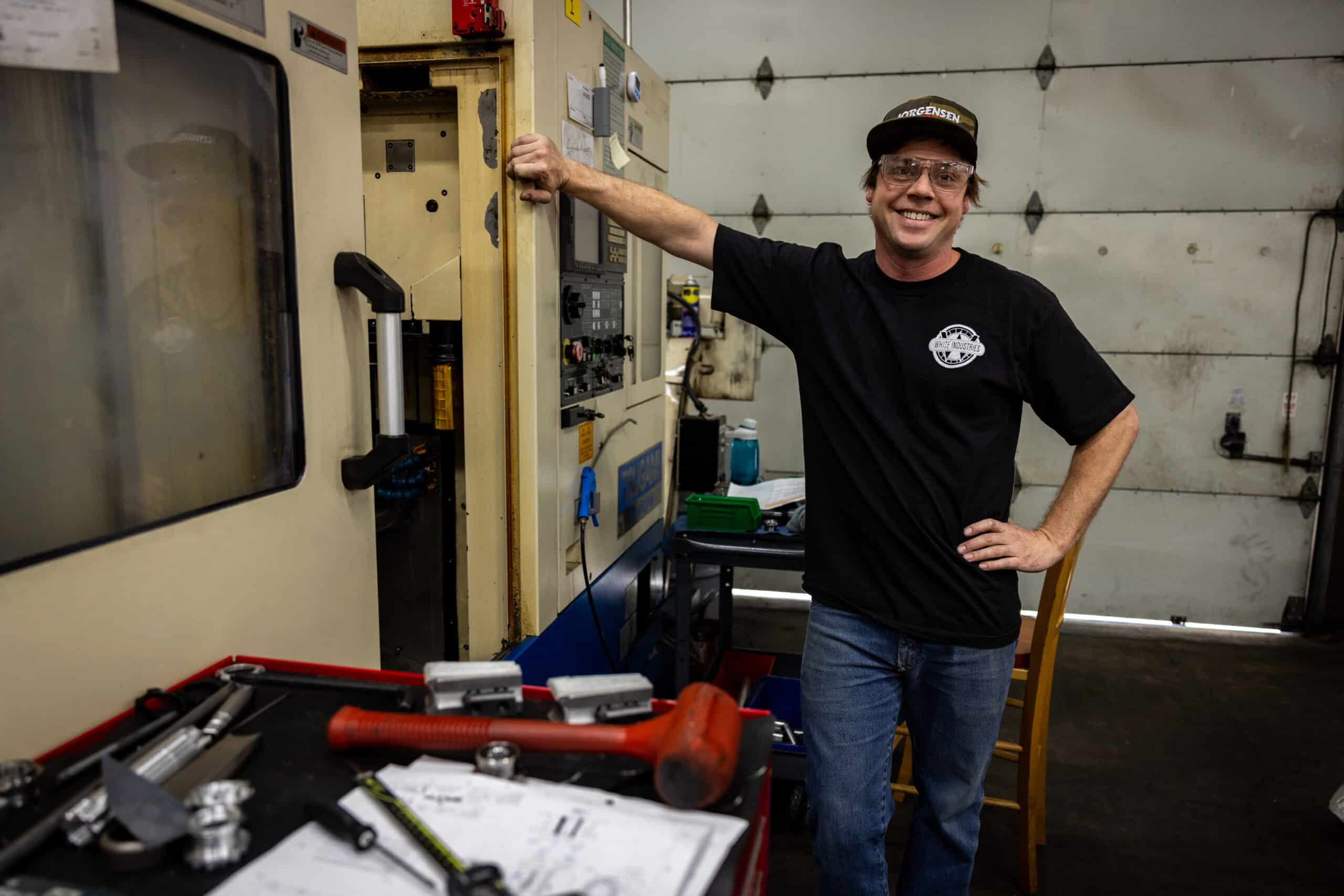
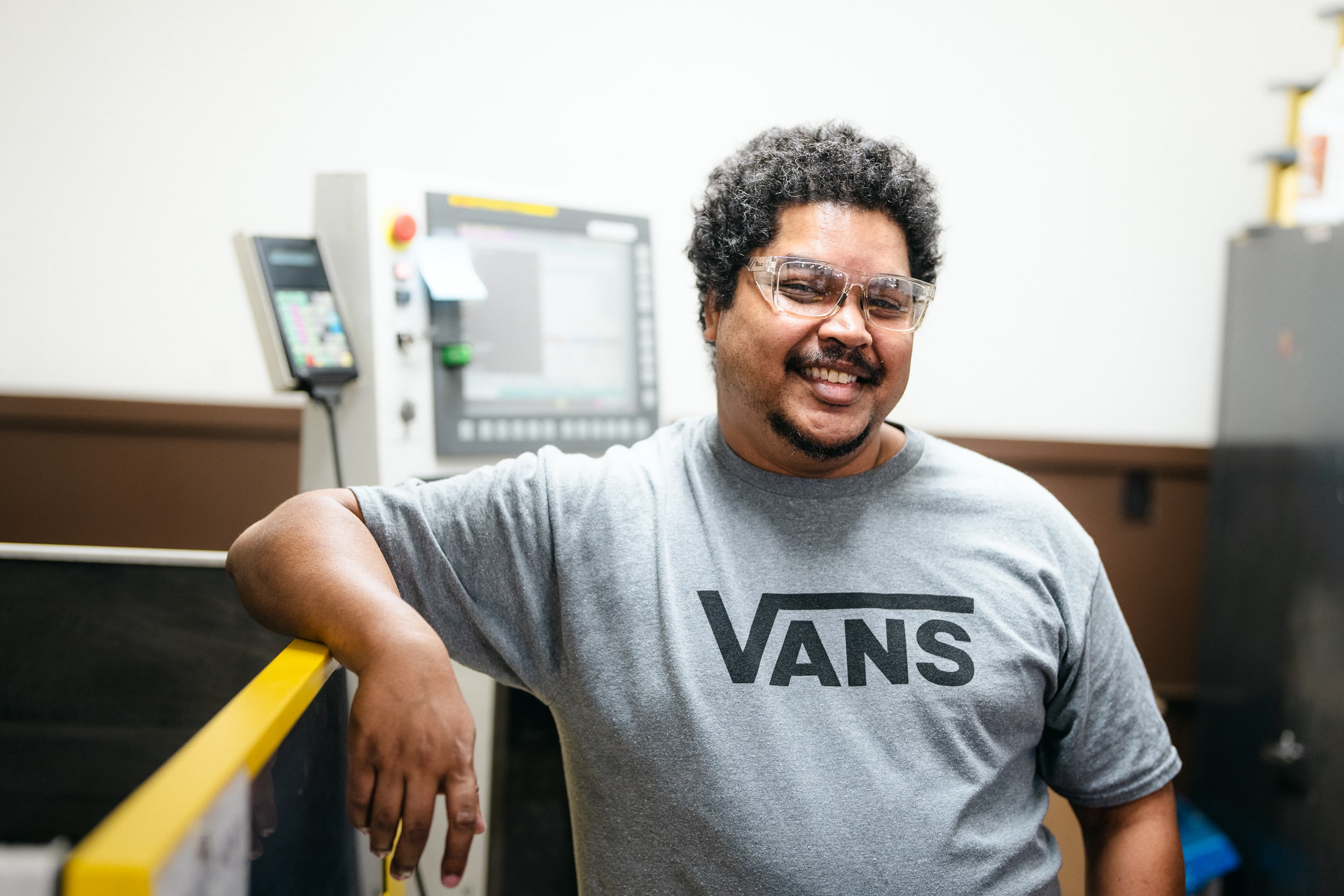
    At White Industries, every component tells a story. But behind every hub, crankset, freewheel, and chainring is a person whose dedication, skill, and attention to detail make that story possible.

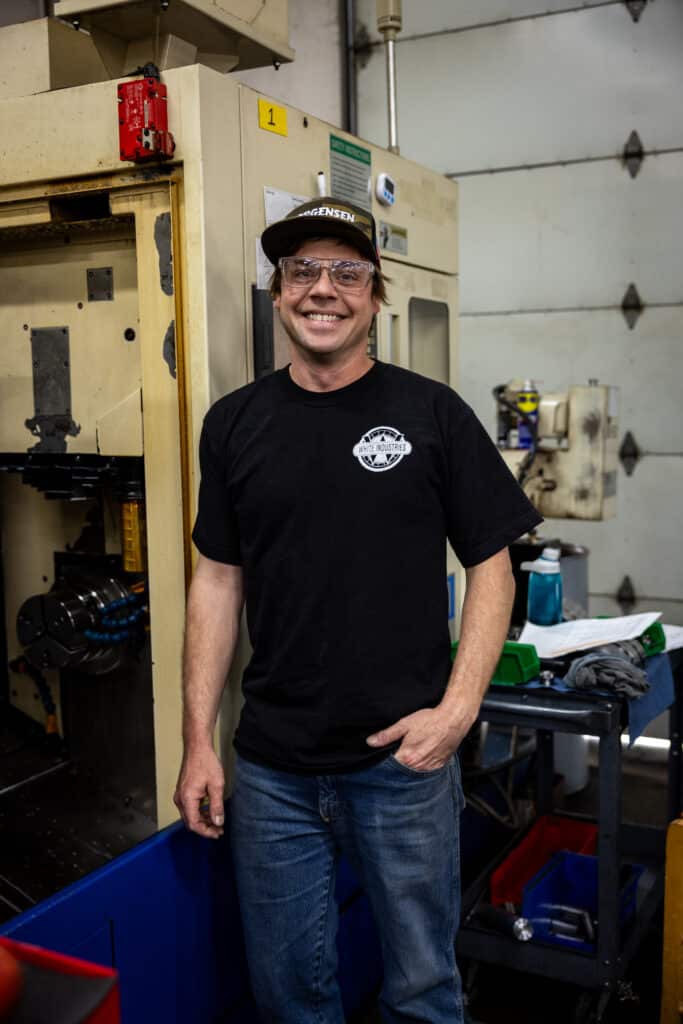
    For many years, Ed Eigenberger has been one of those people.

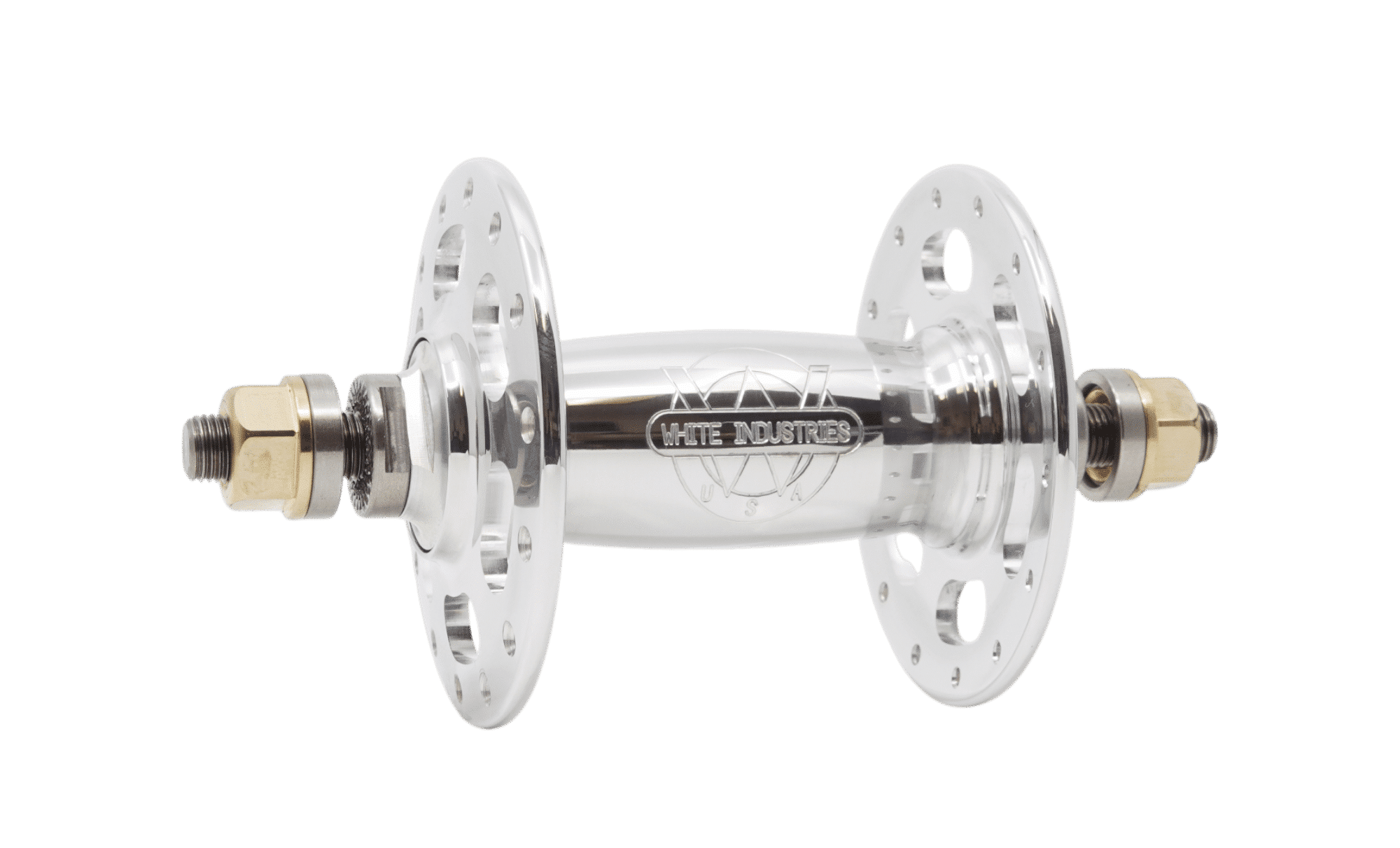
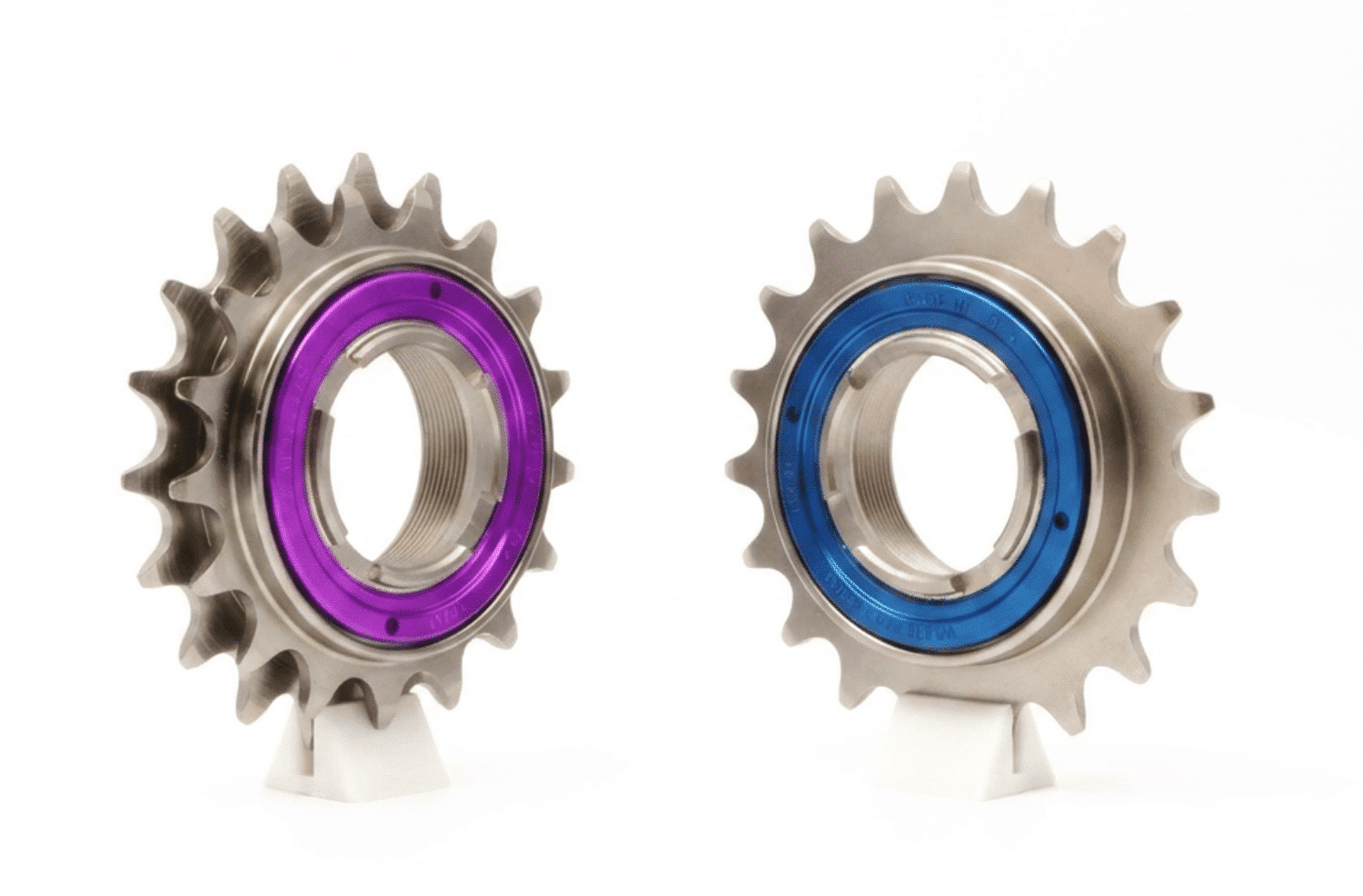
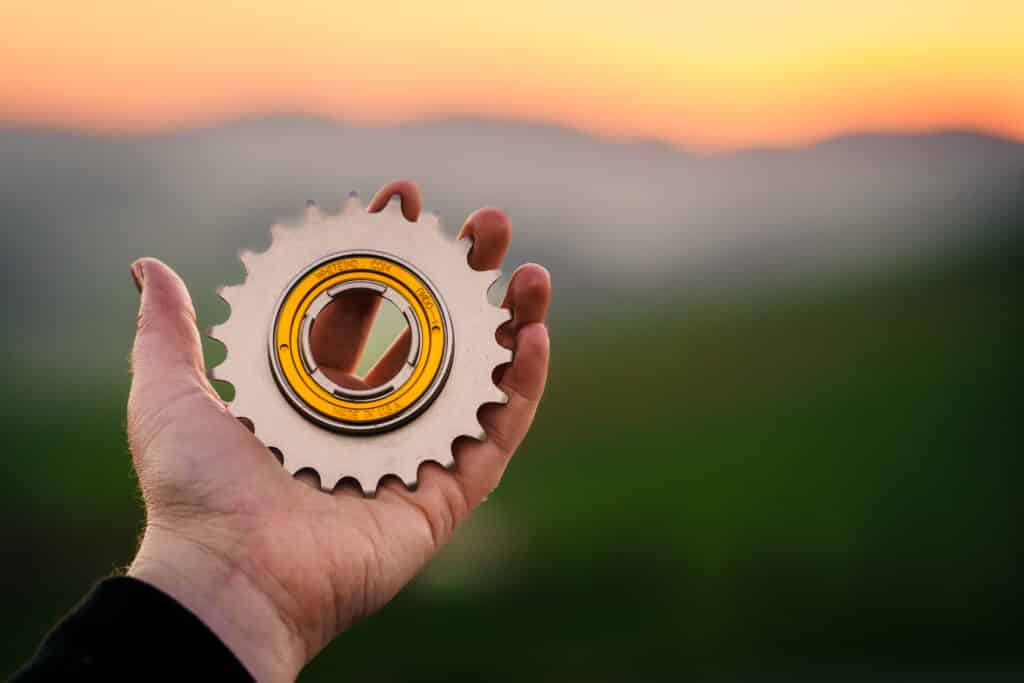
    As a Shop Lead and Machinist, Ed plays a vital role in the production of White Industries components. His work touches many of the products riders know and love, from cranksets and freewheels to the countless small parts that keep bikes running smoothly. While riders may never meet him, chances are they’ve experienced the results of his craftsmanship every time they’ve thrown a leg over a bike equipped with White Industries components.

    Seeing the Bigger Picture

    When asked what a typical day looks like, Ed’s answer was simple:

    “The view through a kaleidoscope.”

    It’s a fitting description for someone whose role requires balancing production, problem-solving, quality control, and leadership. No two days are exactly alike. One moment may involve overseeing a machining process, while the next could require troubleshooting a complex manufacturing challenge or ensuring every finished part meets White Industries’ exacting standards.

    It’s this ability to see the bigger picture while staying focused on the smallest details that makes Ed such an important part of the team.

    The Details Matter

    Ask Ed what riders might not realize about how their components are made, and his answer gets right to the heart of what sets White Industries apart:

    “The level of scrutiny we place on our finishing.”

    While precision machining often gets the spotlight, Ed knows that the final details matter just as much. Every component that leaves the White Industries facility has passed through countless inspections and quality checks to ensure it meets the standards riders have come to expect.

    It’s a philosophy that reflects the broader culture of the company: never settle, always improve, and pay attention to the details that others might overlook.

    A Passion for Craftsmanship

    When it comes to favorite products, Ed doesn’t hesitate.

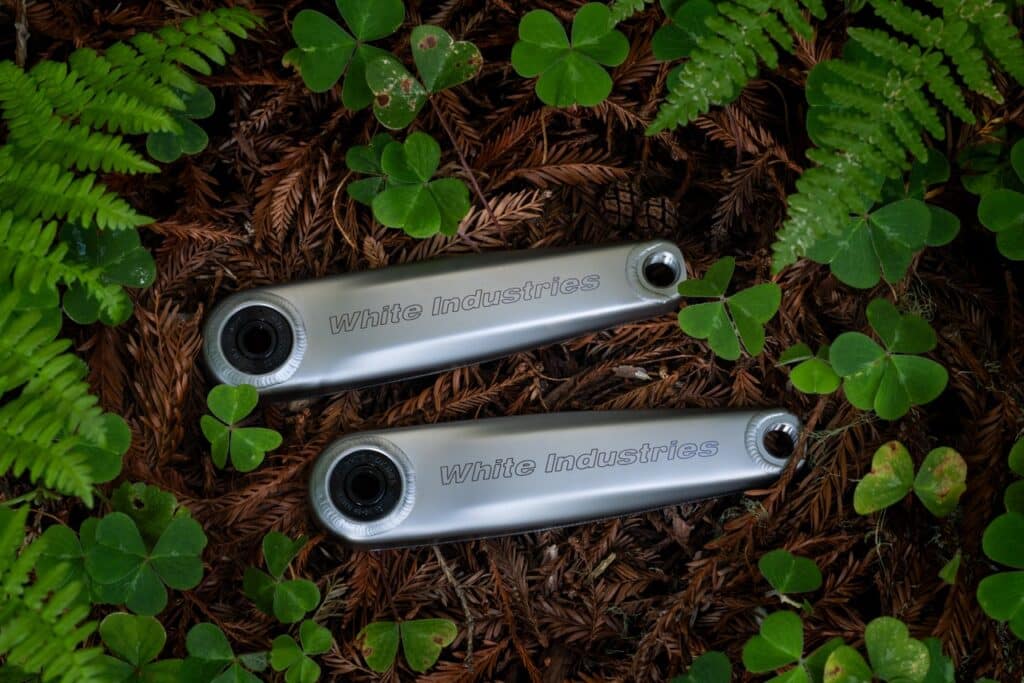
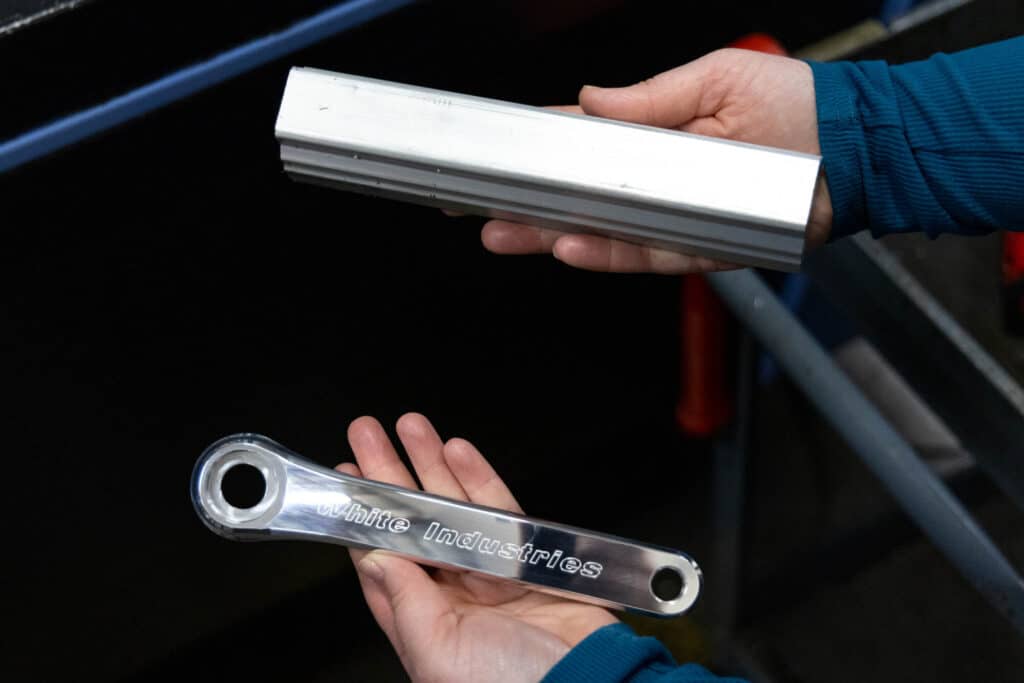
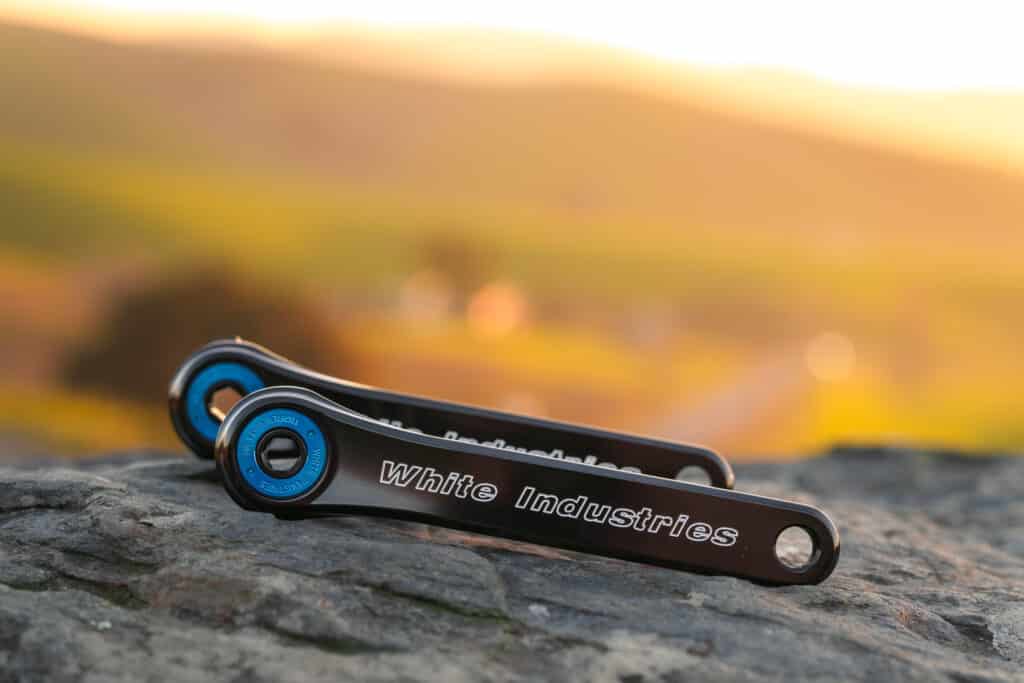
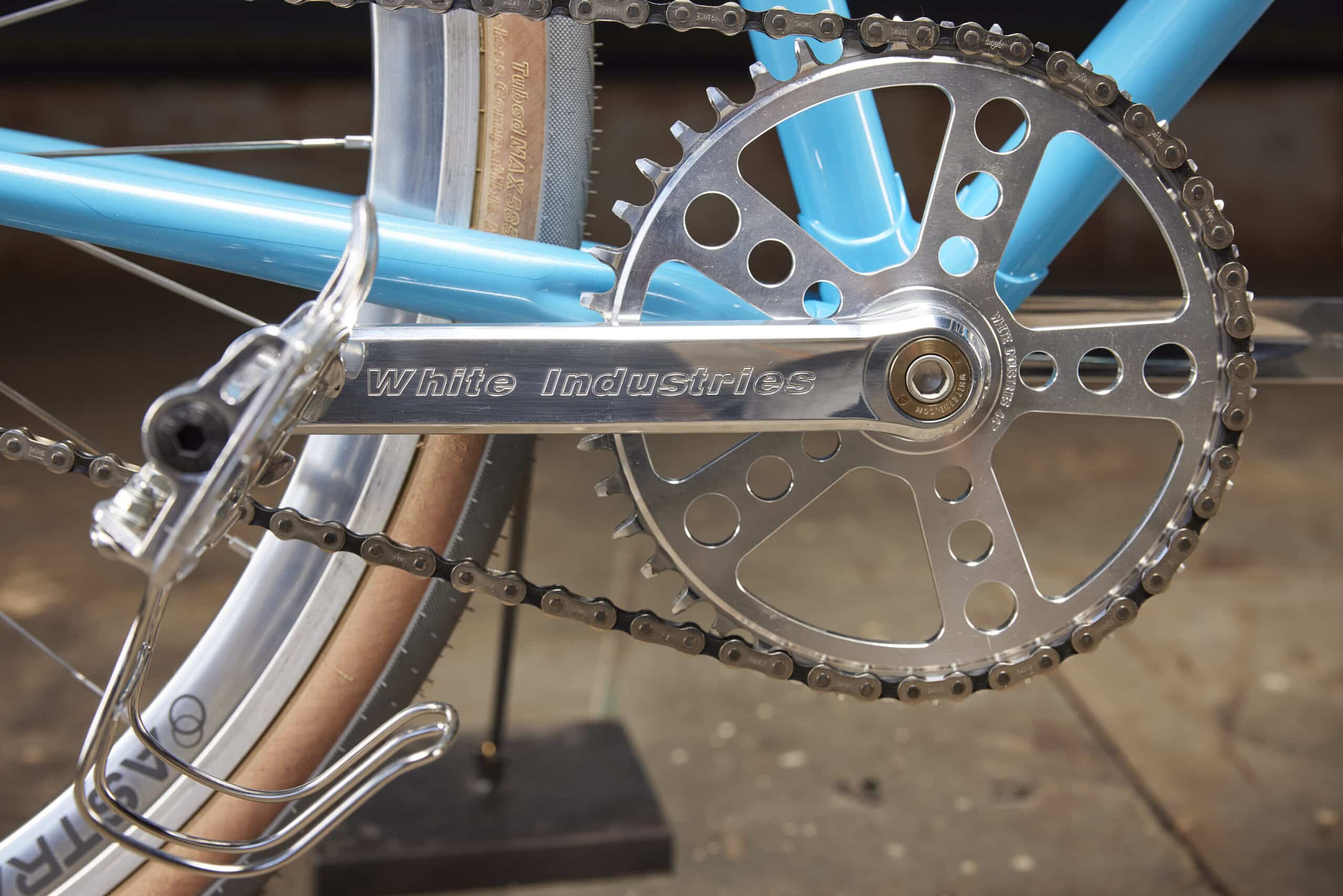
    The polished M30 crankset gets his vote.

    “Because they really pop.”

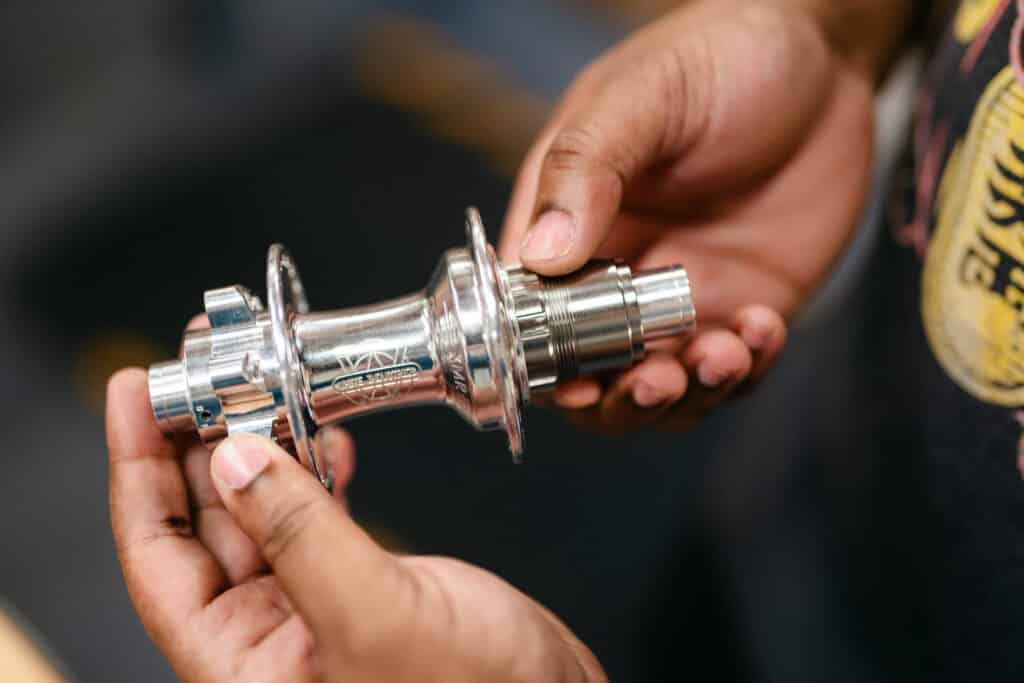
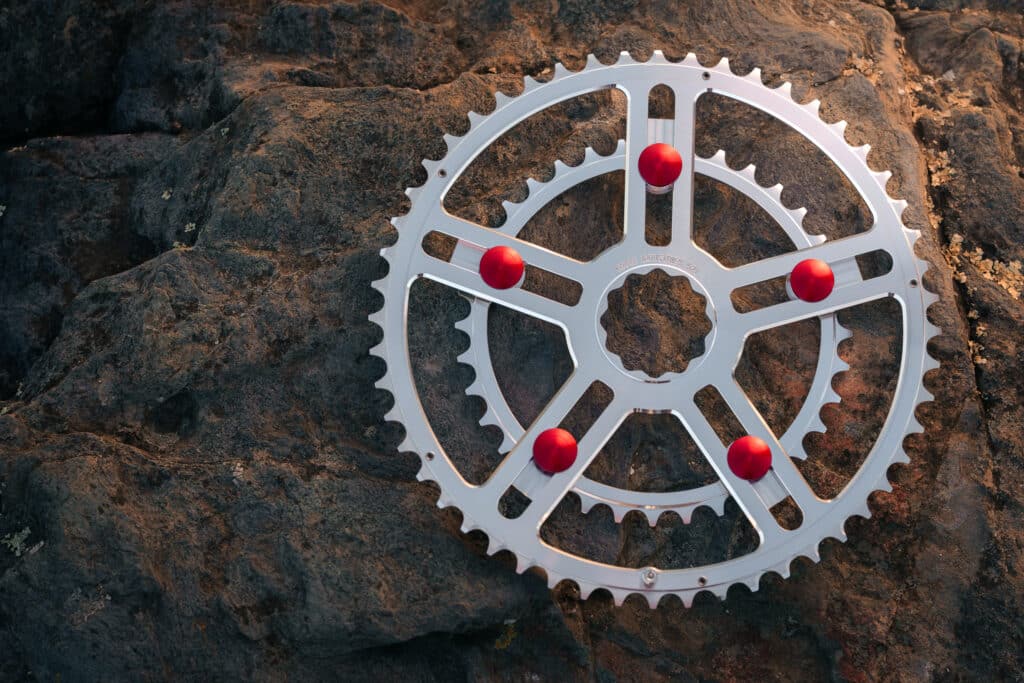
    It’s easy to understand why. The polished finish showcases both the beauty of the machining and the craftsmanship that goes into every crankset. It’s the kind of component that catches your eye immediately but continues to impress long after the first ride.

    That appreciation for craftsmanship also extends to some of the most challenging projects he’s worked on. Among the highlights of his career at White Industries are the titanium crank inserts—an ambitious undertaking that required creativity, precision, and persistence to bring to life.

    Built by Riders

    Like many members of the White Industries team, Ed isn’t just making bike parts—he’s using them.

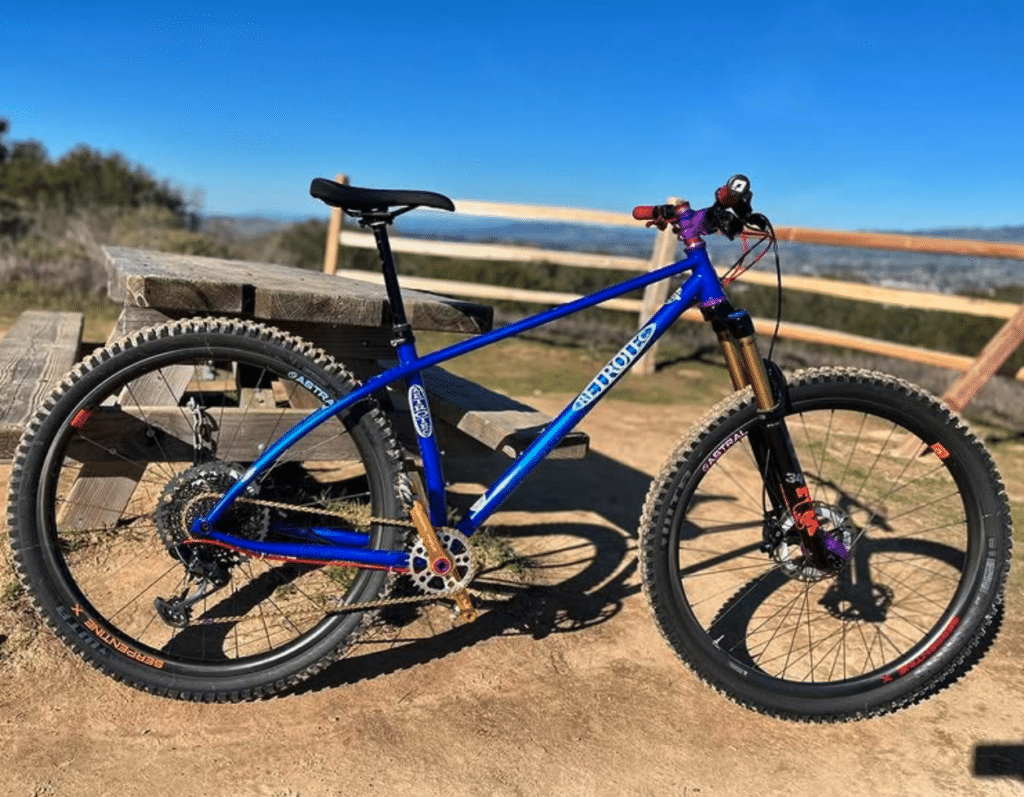
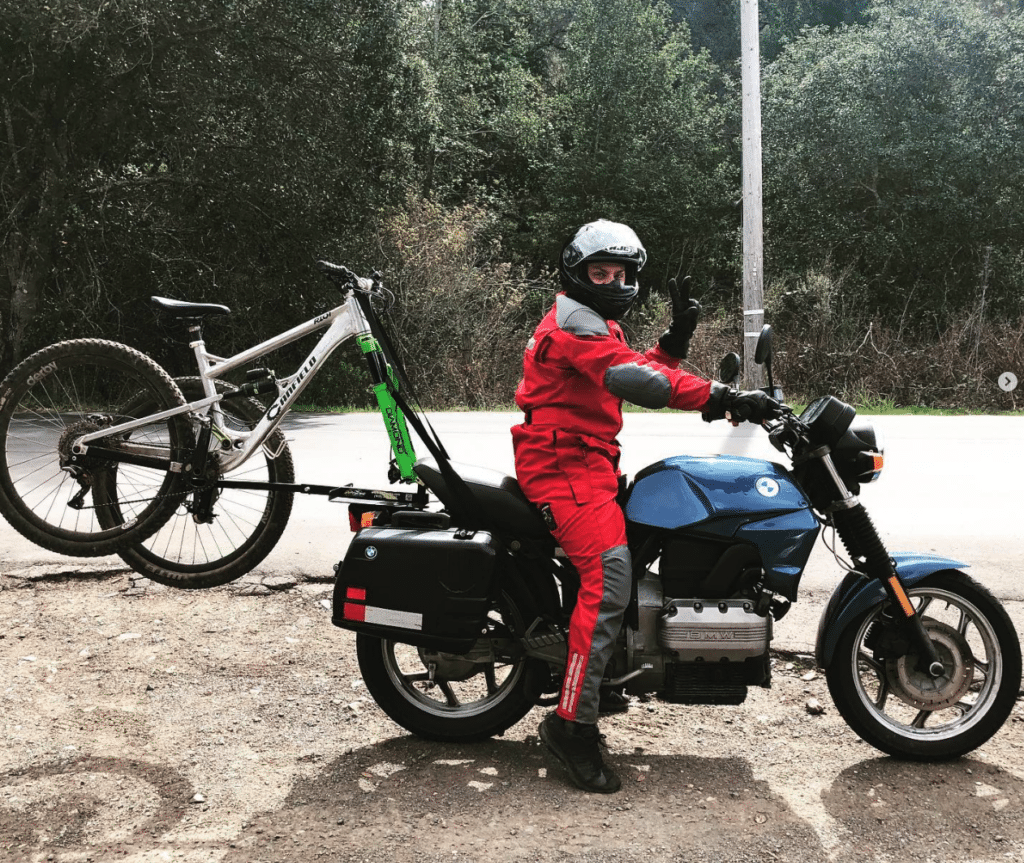
    When he’s not in the shop, you’ll likely find him outdoors and on two wheels. His stable includes everything from mountain bikes and gravel bikes to a commuter bike, each serving a different purpose but sharing the same goal: getting outside and enjoying the ride.

    His favorite local routes reflect Northern California’s diverse riding opportunities. Whether it’s exploring the trails at Annadel State Park or rolling through the scenic roads of the Chileno Valley loop, Ed understands firsthand what riders demand from their equipment.

    That rider perspective influences the work he does every day.

    The Machines Behind the Magic

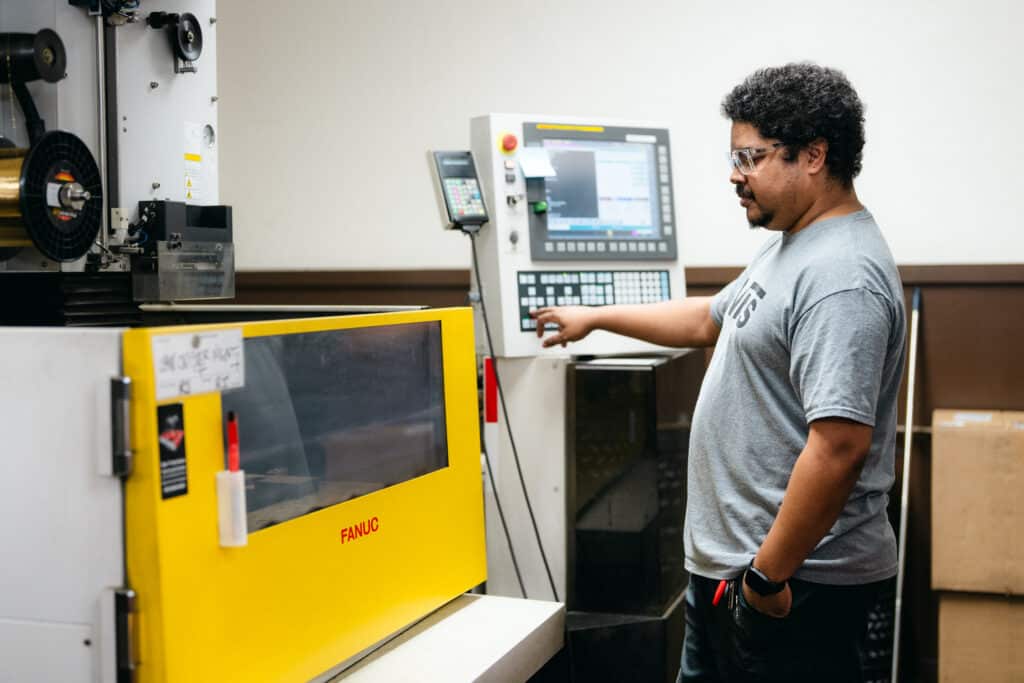
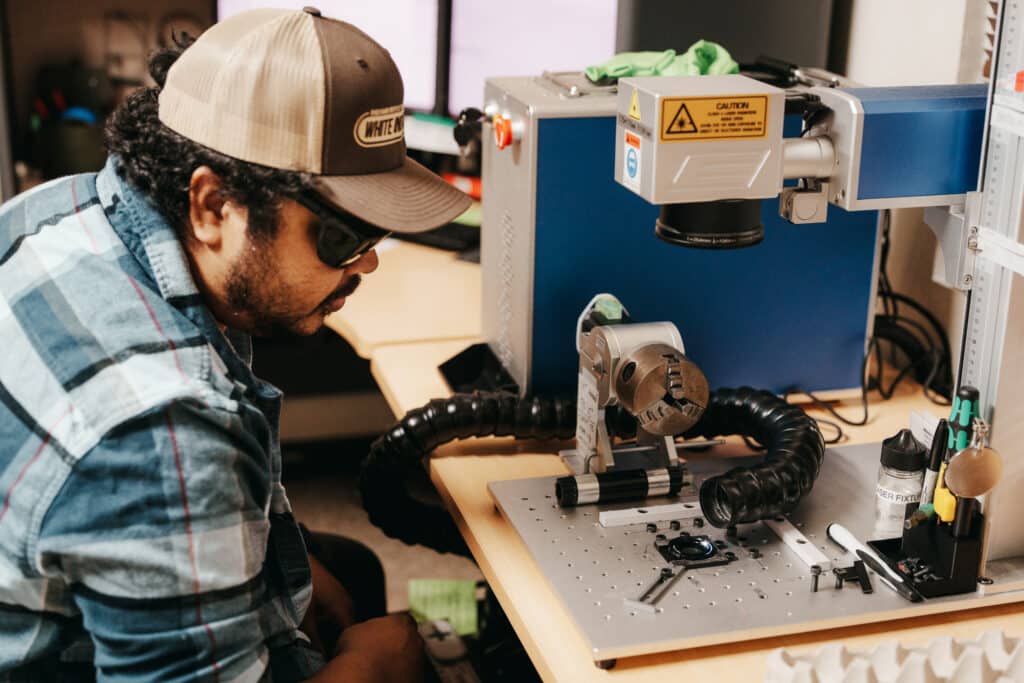
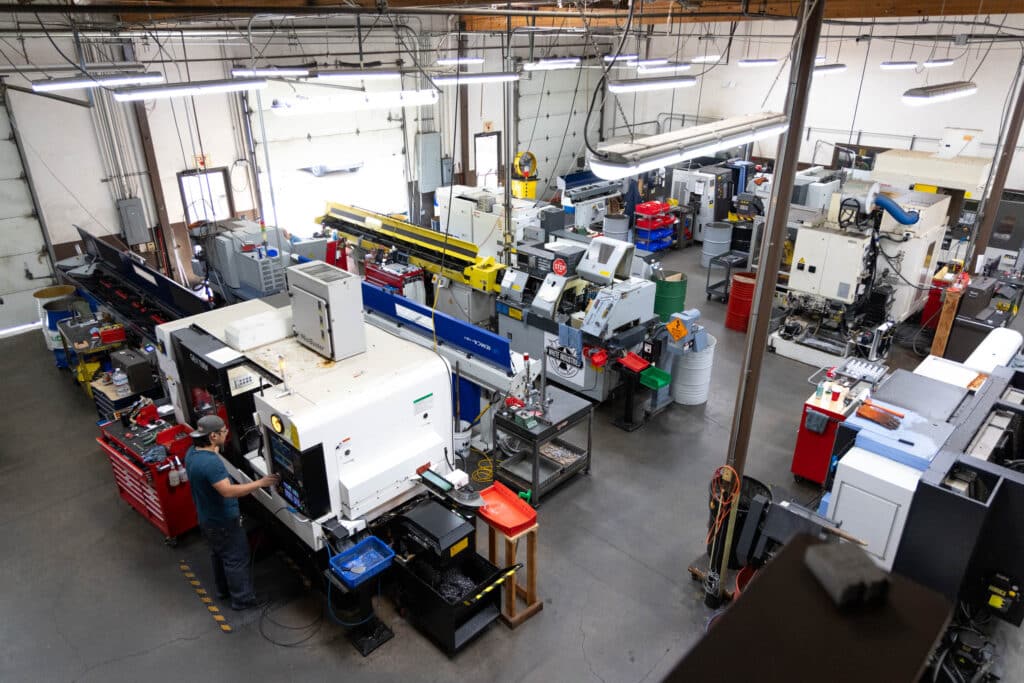
    Every machinist has a favorite machine, and for Ed, it’s the Nakamura NTY3-250.

    While it may not mean much to the average cyclist, machines like these represent the cutting edge of modern manufacturing. Combined with the knowledge and experience of operators like Ed, they help transform raw material into the components that riders depend on around the world.

    But even the most advanced machinery is only as good as the people running it.

    More Than a Job

    Perhaps the most telling answer came when Ed was asked what being part of the White Industries family means to him.

    “It means enjoying going to work more often than not.”

    Simple. Honest. Genuine.

    It’s also a reflection of the culture that has helped White Industries thrive for decades. The company is built on people who care deeply about what they do, who take pride in their craft, and who enjoy working alongside others who share the same passion.

    When asked which White Industries color he’d choose for his dream build, Ed’s answer was equally revealing:

    “All of them except black.”

    For someone who appreciates the details, that answer makes perfect sense.

    The People Behind the Product

    The next time you admire a polished crankset, spin a freewheel, or appreciate the smooth operation of a White Industries component, remember that it didn’t happen by accident.

    It happened because people like Ed showed up every day, paid attention to the details, embraced the challenges, and took pride in building something that makes other people happy.

    As Ed puts it, one of the most satisfying parts of his job is:

    “Providing a peaceful product that makes people happy.”

    We couldn’t think of a better way to describe what White Industries is all about.
  • Gold Collection: A Finish That Shines

    Gold Collection: A Finish That Shines

    Some finishes blend in. Gold was made to stand out.
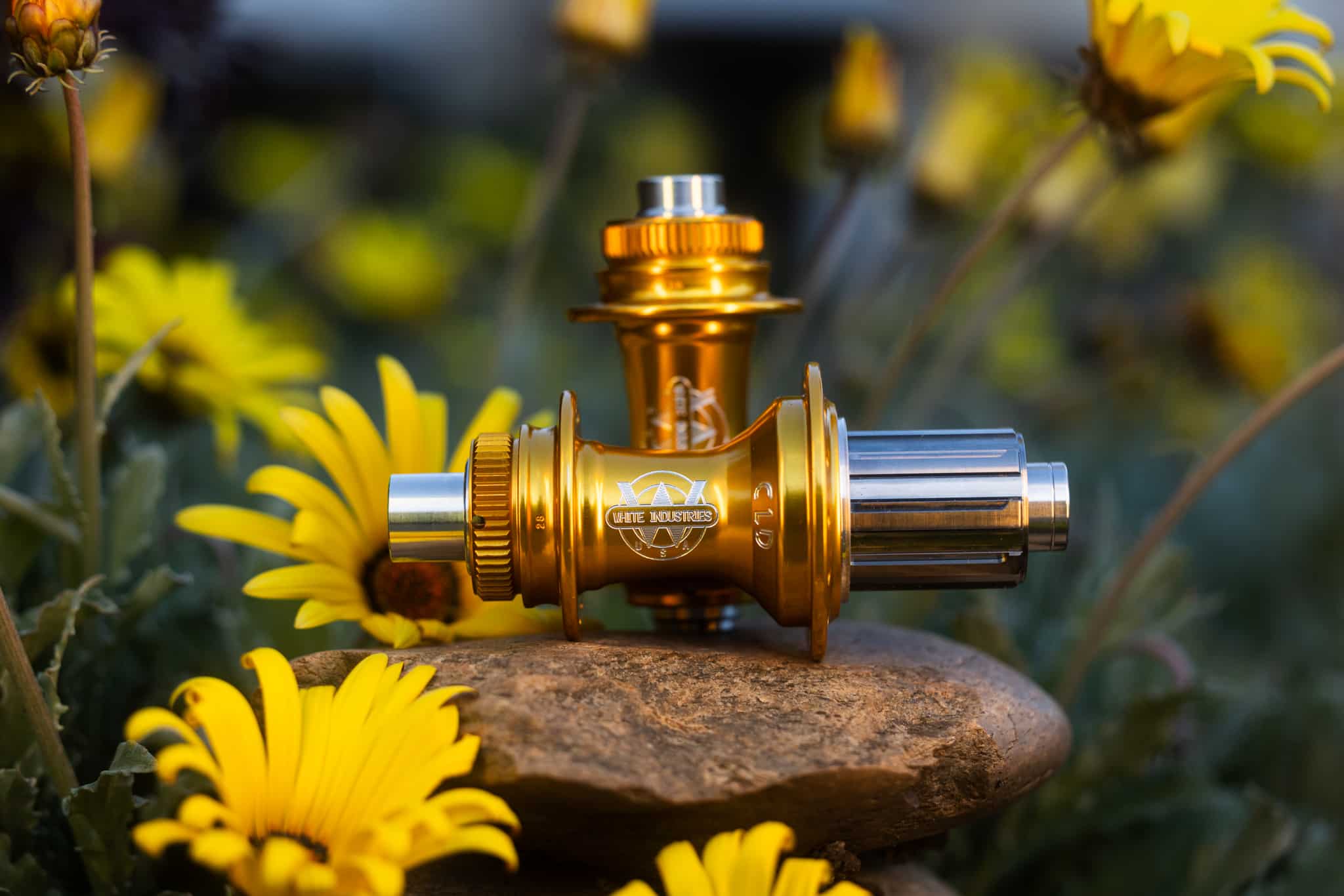
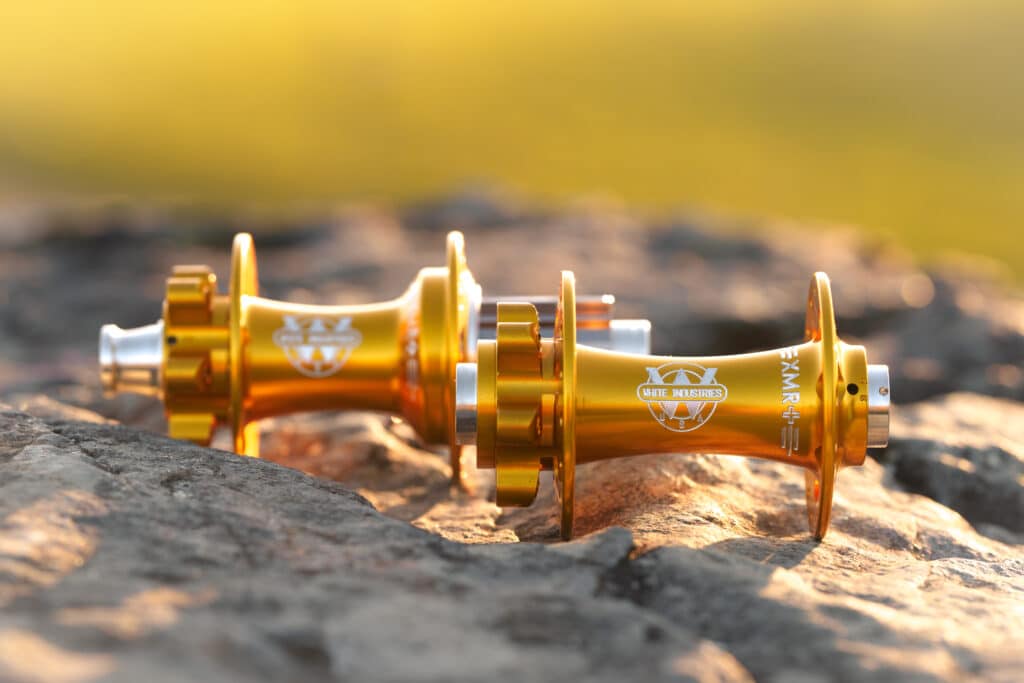
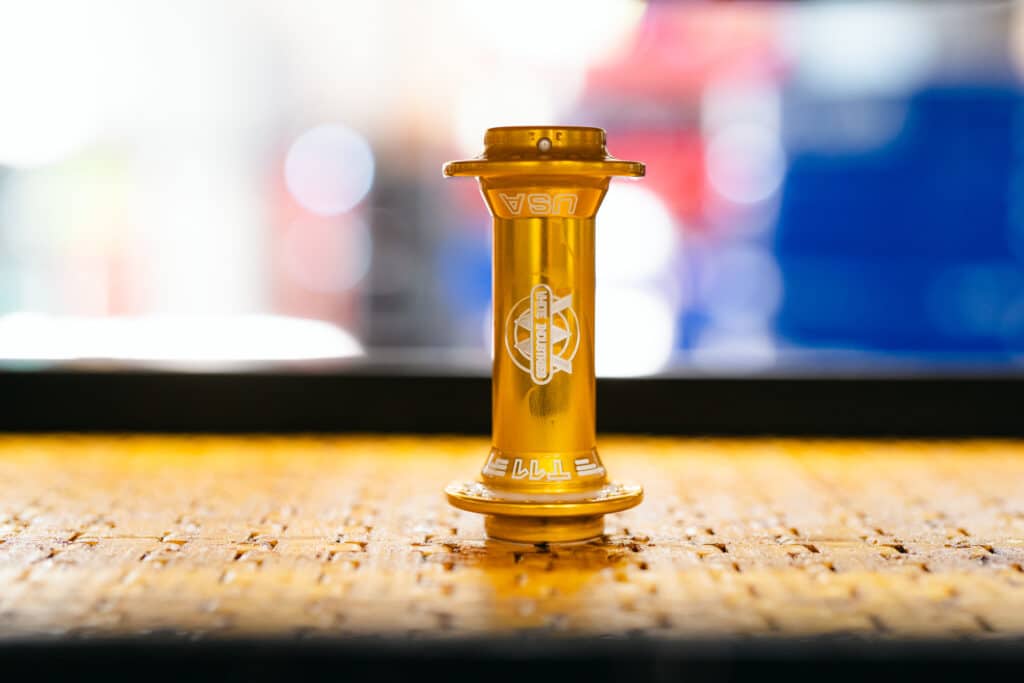
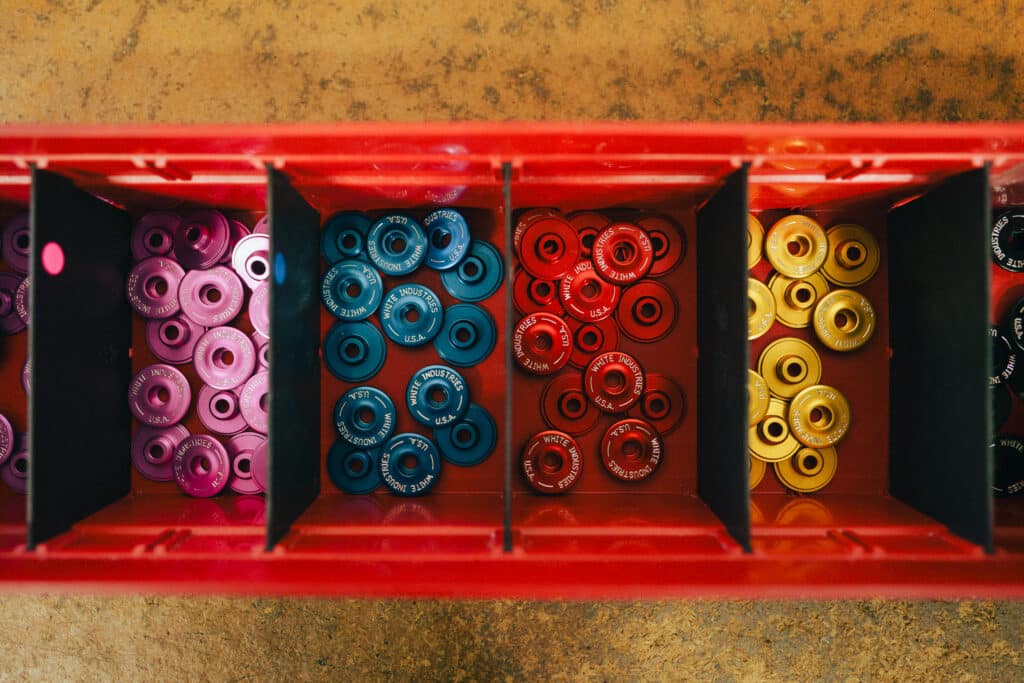
    The White Industries Gold Collection brings warmth, character, and just the right amount of contrast to any bike. It’s a finish that catches the light, highlights the precision of every machined surface, and turns functional components into defining details of a custom build.

    Gold has become a favorite among riders who want their bike to reflect their personality without sacrificing timeless design. Whether paired with a matte black frame, polished titanium, classic steel, or vibrant paint, gold accents create a look that feels both refined and distinctive.

    Of course, at White Industries, color is only part of the story.

    Photo: Josh Becker

    Every Gold hub, crankset, headset, seat collar, bottom bracket, and accessory begins as a solid piece of aluminum before being precision machined in our Petaluma, California facility. From there, each component is carefully finished, anodized, assembled, and inspected by the same team that has been building premium bicycle components for more than 45 years.

    The result is a finish that’s every bit as durable as it is beautiful.

    Gold isn’t about being flashy.

    Gold isn’t about being flashy—it’s about celebrating craftsmanship. The anodized finish enhances the crisp lines, smooth contours, and intricate machining that define every White Industries component. It’s a subtle reminder that exceptional products deserve exceptional attention to detail.

    For many riders, a custom build is more than a collection of parts—it’s an expression of their riding style, personality, and appreciation for quality. Gold offers a way to elevate that vision while maintaining the performance and reliability White Industries is known for.

    Whether you’re building a dream gravel bike, a modern mountain bike, a timeless road machine, or a custom city bike, the Gold Collection delivers a finish that’s as memorable as the ride itself.

    Because every great build deserves a little shine.

    Precision machined. Made in California. Built to stand out.
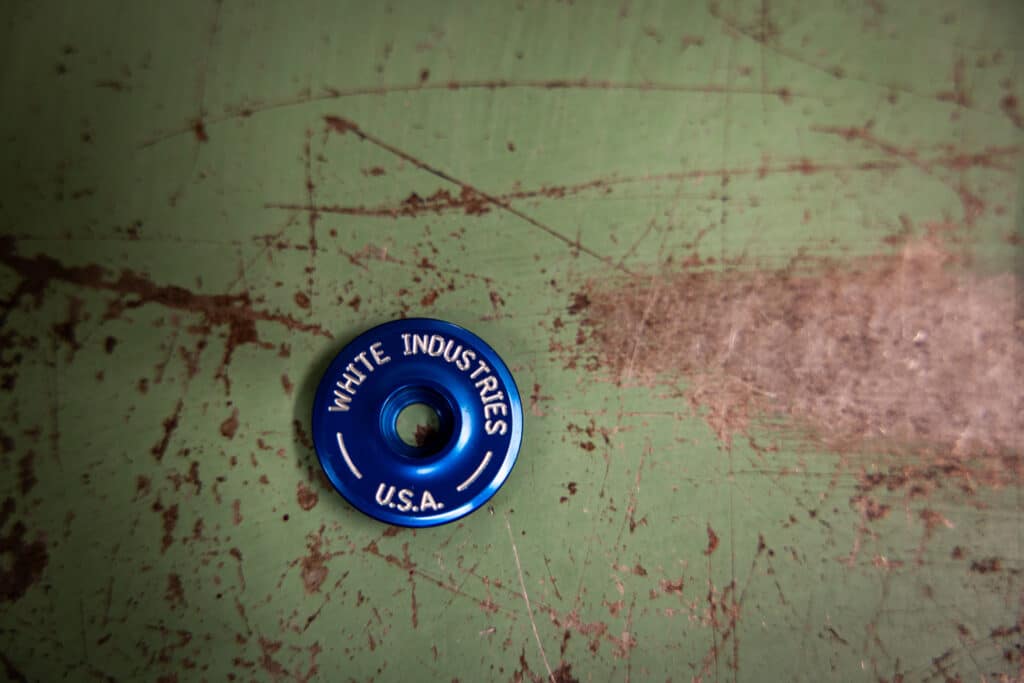
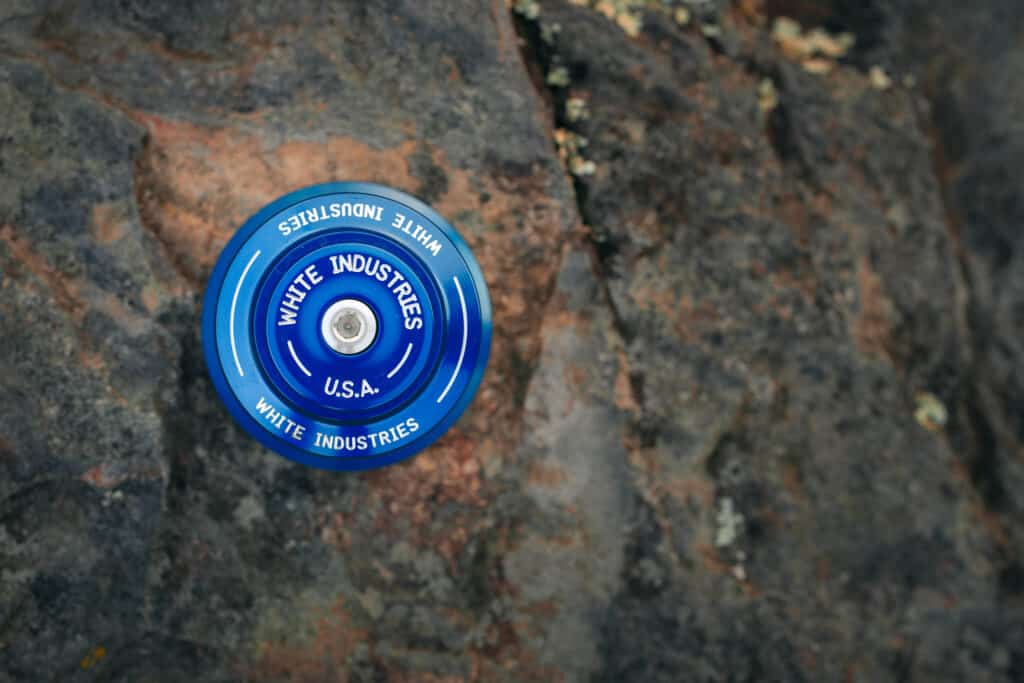
  • Blue Collection: A COOL Color

    Blue Collection: A COOL Color

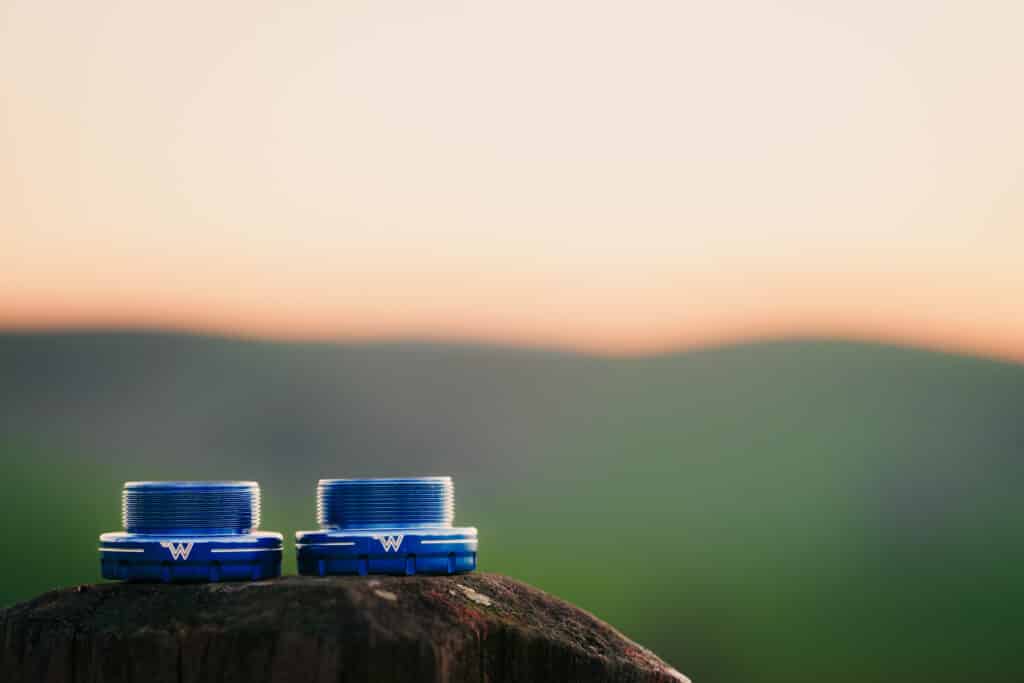
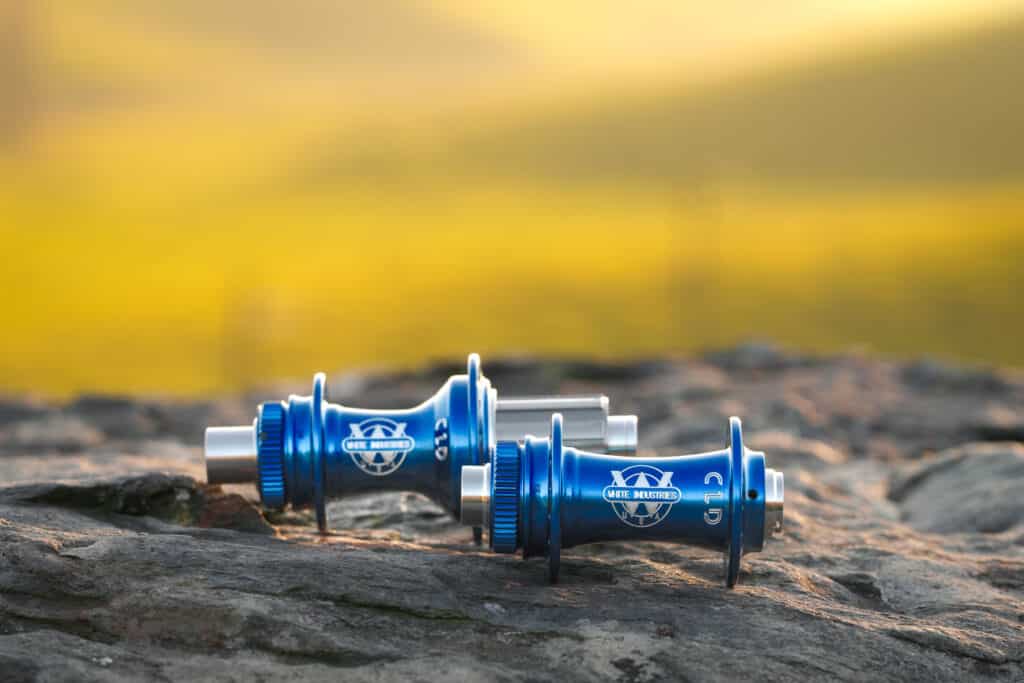
    There’s something unmistakable about a blue anodized component.
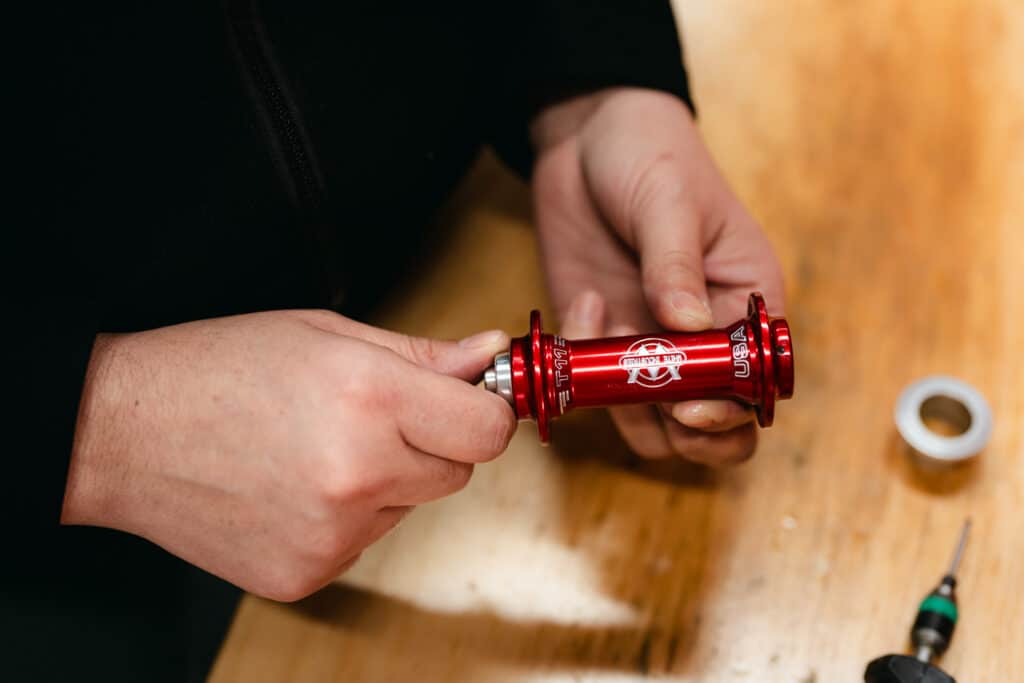
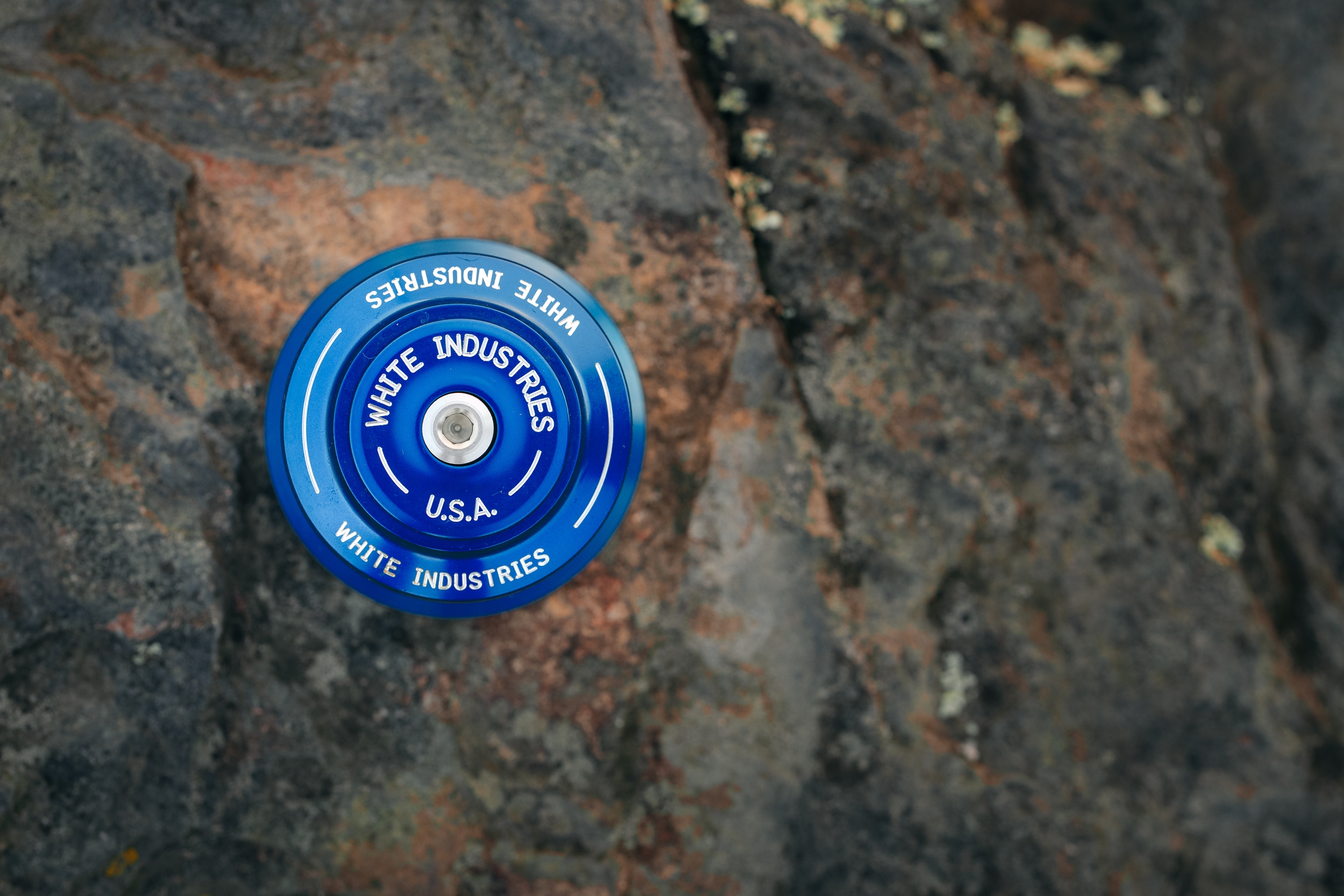
    It’s bold enough to stand out but refined enough to feel timeless. For many riders, blue strikes the perfect balance between classic styling and personal expression, making it one of the most versatile finishes in the White Industries lineup.
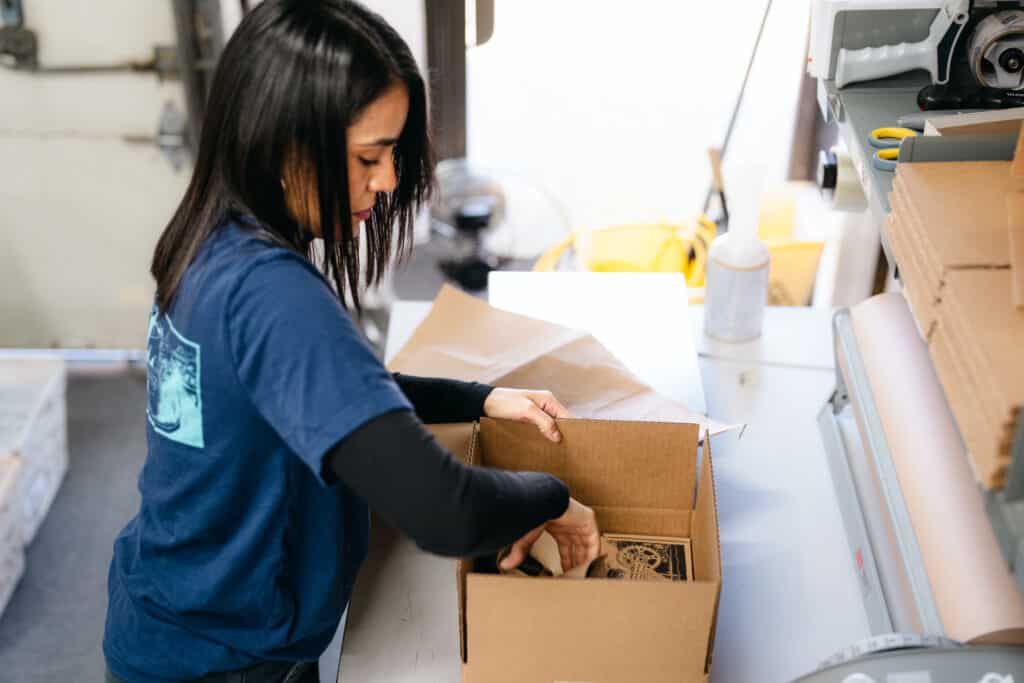
    Whether you’re building your dream bike from the ground up or refreshing a trusted ride, Blue adds just the right amount of personality without overpowering the overall design.

    A Finish That Complements Every Build

    Our Blue Collection has become a favorite among custom builders and everyday riders alike because it works with nearly every frame and component combination.

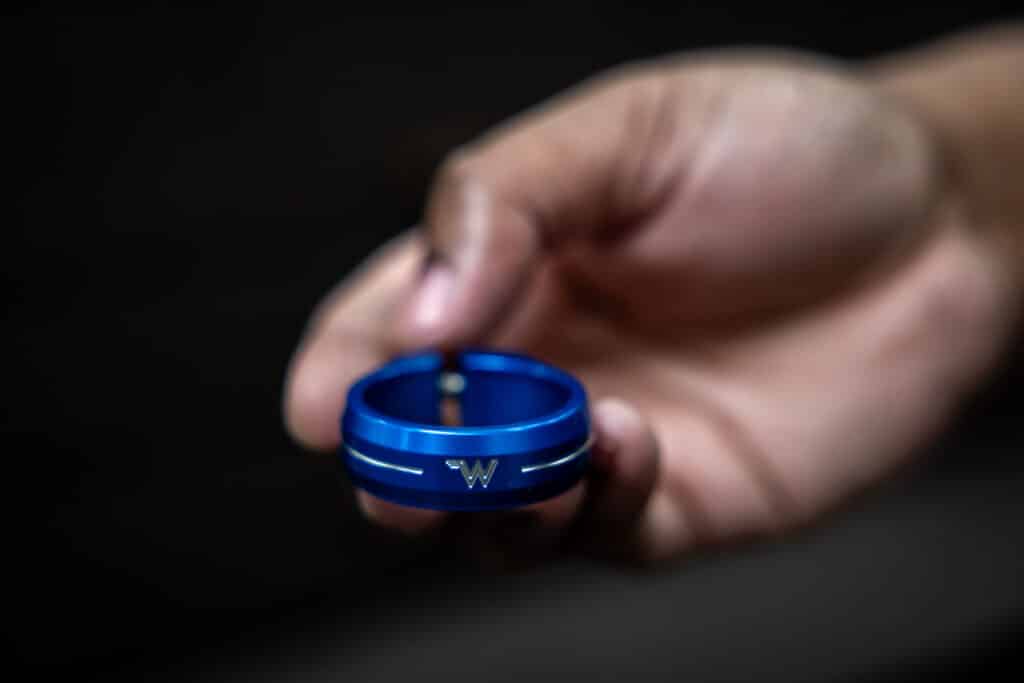
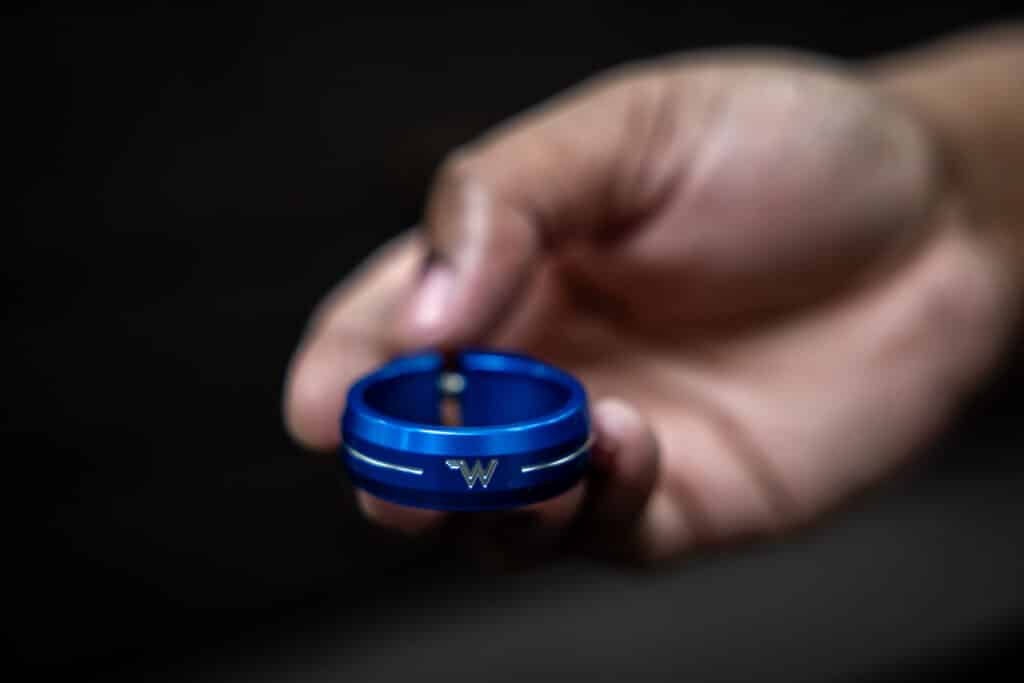
    Blue pairs beautifully with matte black, polished silver, brushed titanium, raw aluminum, and colorful steel frames. It can serve as a subtle accent through hubs or seat collars, or become the defining visual element of an entire build with matching cranks, headsets, and accessories.

    The result is a bike that feels thoughtfully designed, balanced, and unmistakably yours.

    Precision Crafted in California

    Like every White Industries finish, our Blue anodizing reflects the same commitment to quality that goes into every component we produce.

    Each hub, headset, seat collar, crankset, and accessory begins as raw aluminum before being precision machined in our Petaluma, California facility. Every part is then carefully anodized, assembled, and inspected under one roof to ensure exceptional durability, performance, and consistency.

    It’s craftsmanship you can see before you ever turn a pedal.

    It’s a finish that looks just as good years from now as it does the day it’s installed.

    Built for Every Mile

    At White Industries, every color is an opportunity for riders to make their bike their own while enjoying uncompromising American-made quality.

    Blue continues to be one of our most popular finishes because it delivers a timeless aesthetic backed by precision engineering and decades of manufacturing expertise.

    No matter where your next ride takes you, the Blue collection is ready.

  • Farewell to Red & Pink

    Farewell to Red & Pink

    Every component we make is the result of thoughtful design, precision machining, and careful attention to detail. The same is true for the colors we offer.

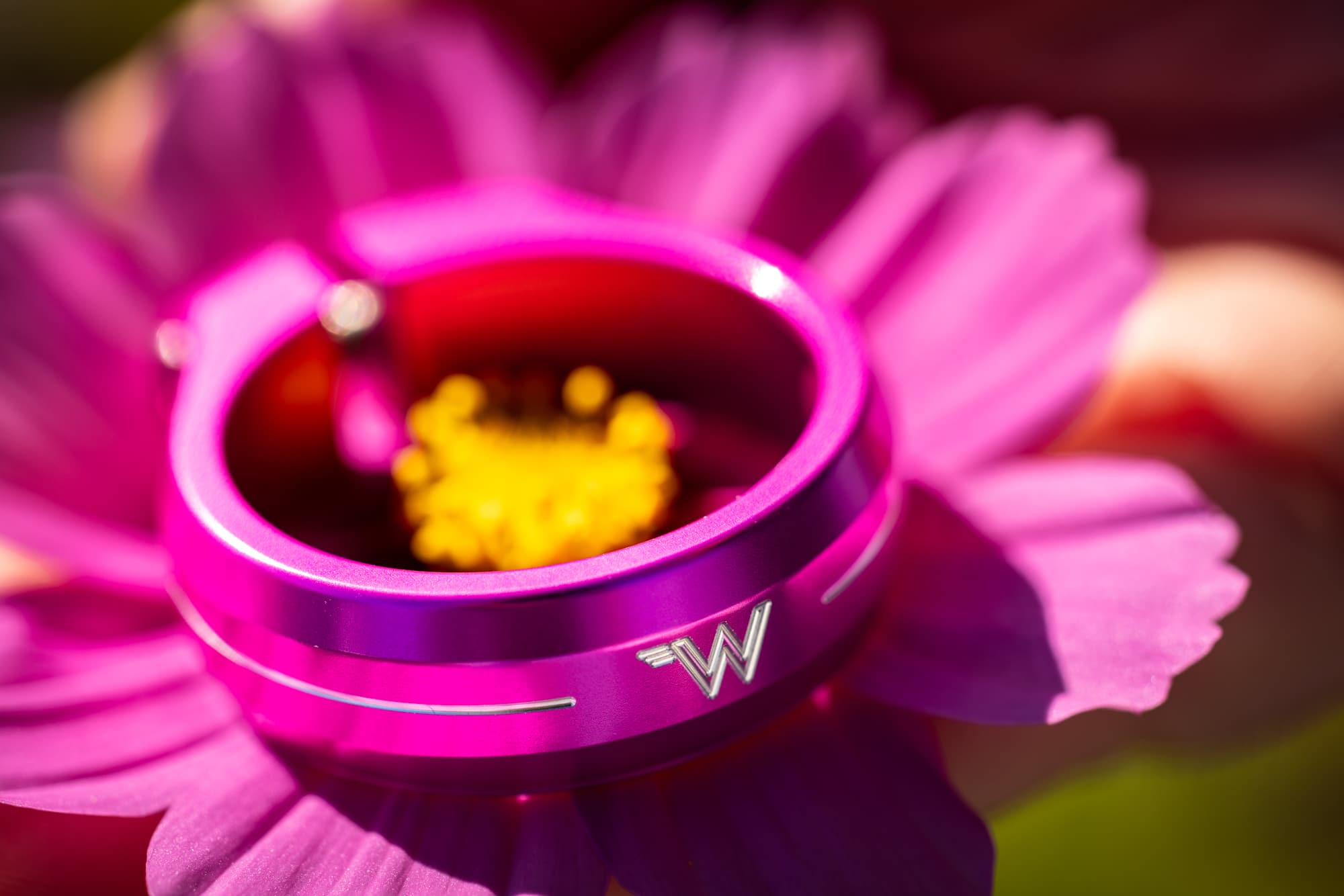
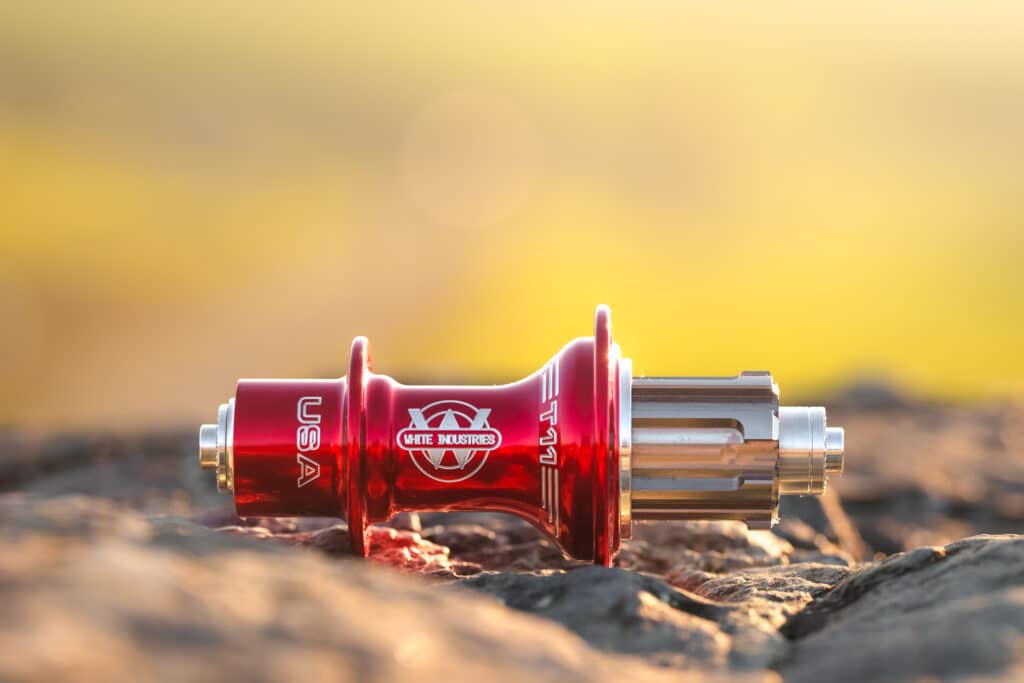
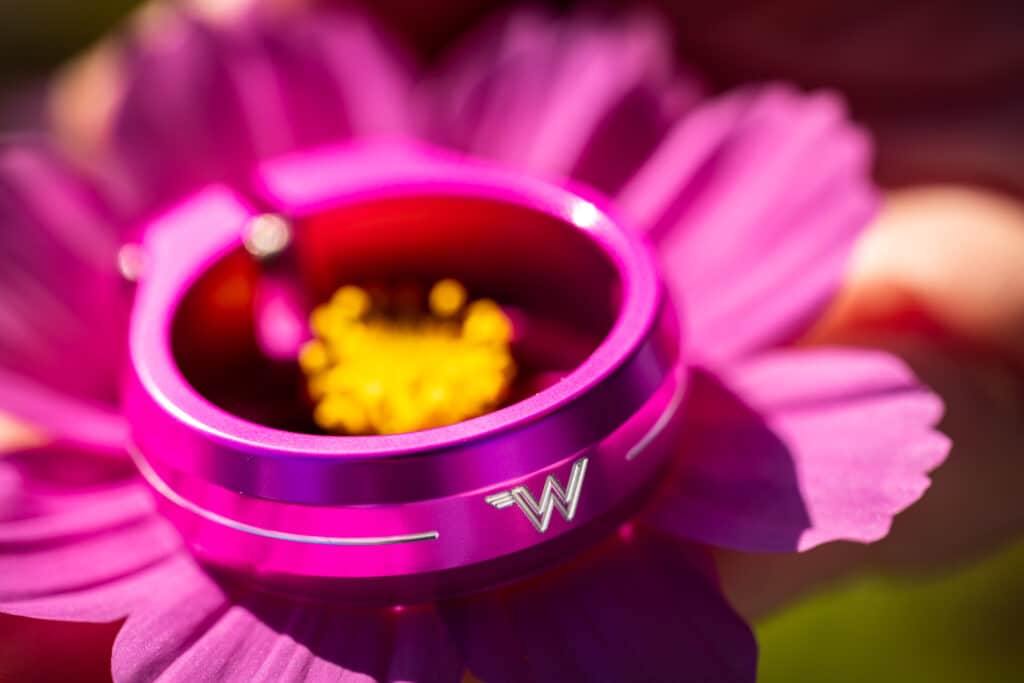
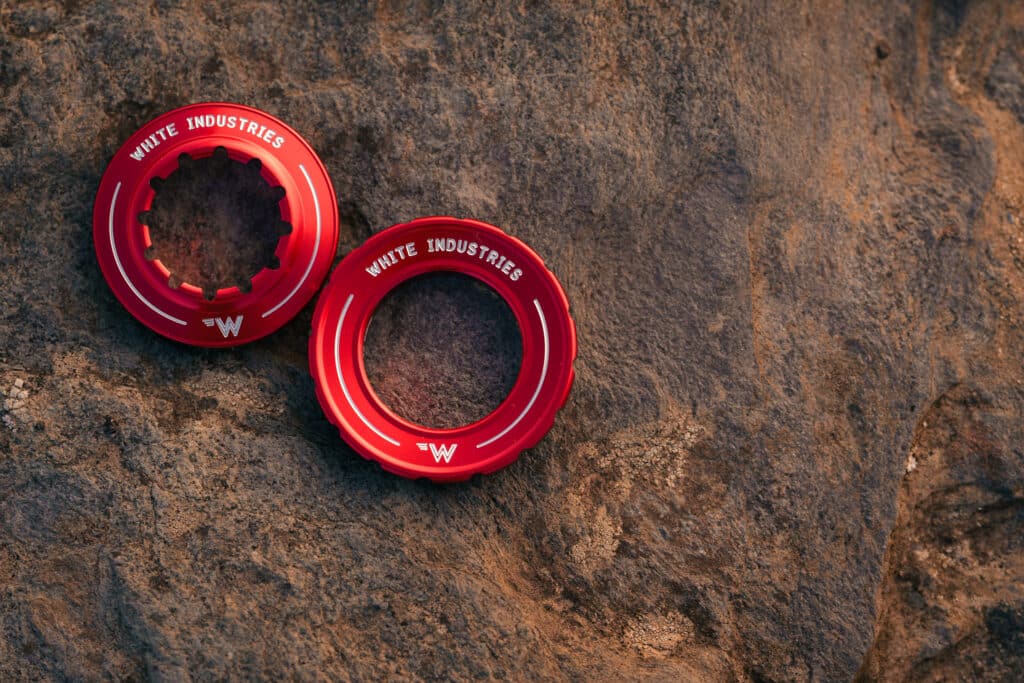
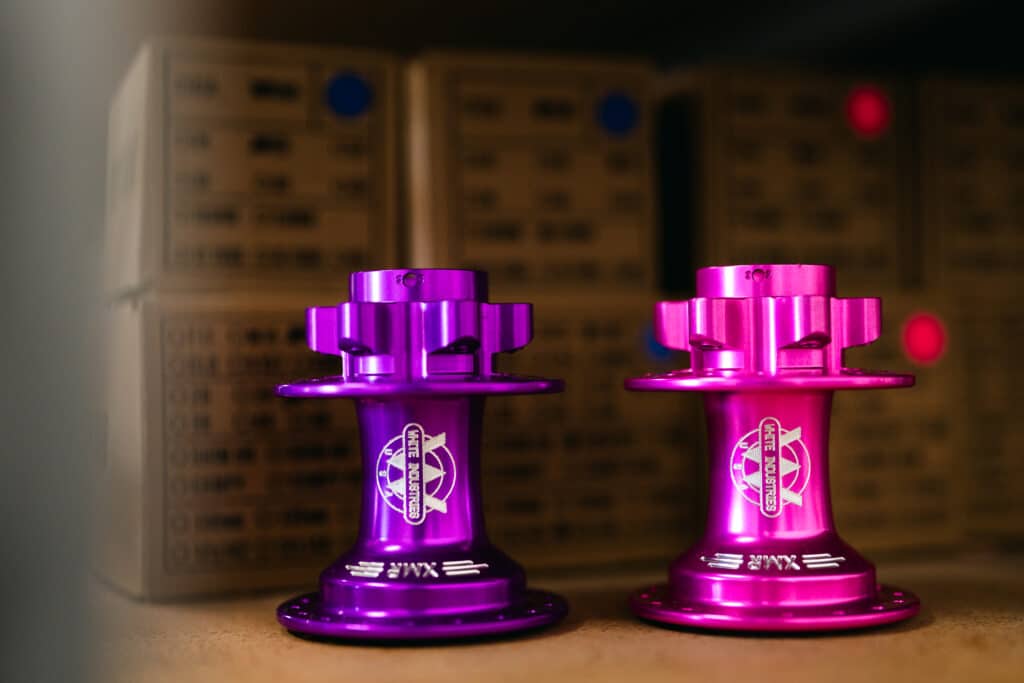
    As our product line continues to evolve, so does our color palette. Beginning at the end of July, we’ll be saying goodbye to our Red and Pink anodized color collections across the White Industries lineup.

    Once the remaining inventory is sold through, these colors will be retired and will not return.

    A Colorful Chapter

    Over the years, Red and Pink have helped riders create some truly unforgettable builds. From bold mountain bikes and vibrant gravel rigs to eye-catching commuter bikes, these finishes brought personality and individuality to countless rides around the world.

    Whether you chose Red for its timeless energy or Pink because it challenged convention, these colors became a favorite for riders looking to build something uniquely their own.

    We’re grateful to everyone who chose them as part of their dream build.

    Looking Ahead

    At White Industries, we’re always evaluating our product offering to better focus our manufacturing efforts while continuing to deliver the quality, craftsmanship, and service riders have come to expect.

    Retiring these colors allows us to simplify production and concentrate on the finishes that continue to see the greatest demand, while maintaining the precision and consistency that define every component we make.

    Our commitment remains unchanged: designing, machining, assembling, and inspecting premium bicycle components in Petaluma, California.

    Last Chance

    If you’ve been planning a build featuring Red or Pink, now is the time.

    Remaining inventory will be available while supplies last, and once these colors are gone, they’re gone for good. There will be no additional production runs.

    Thank you to everyone who made these collections part of their bikes and their stories. We can’t wait to see the final Red and Pink builds out on the road, trail, and gravel before these colors take their place in White Industries history.

    Available while inventory lasts. Once they’re gone, they’re gone.

  • Made Under One Roof

    Made Under One Roof

    How White Industries Builds Components in Petaluma, California

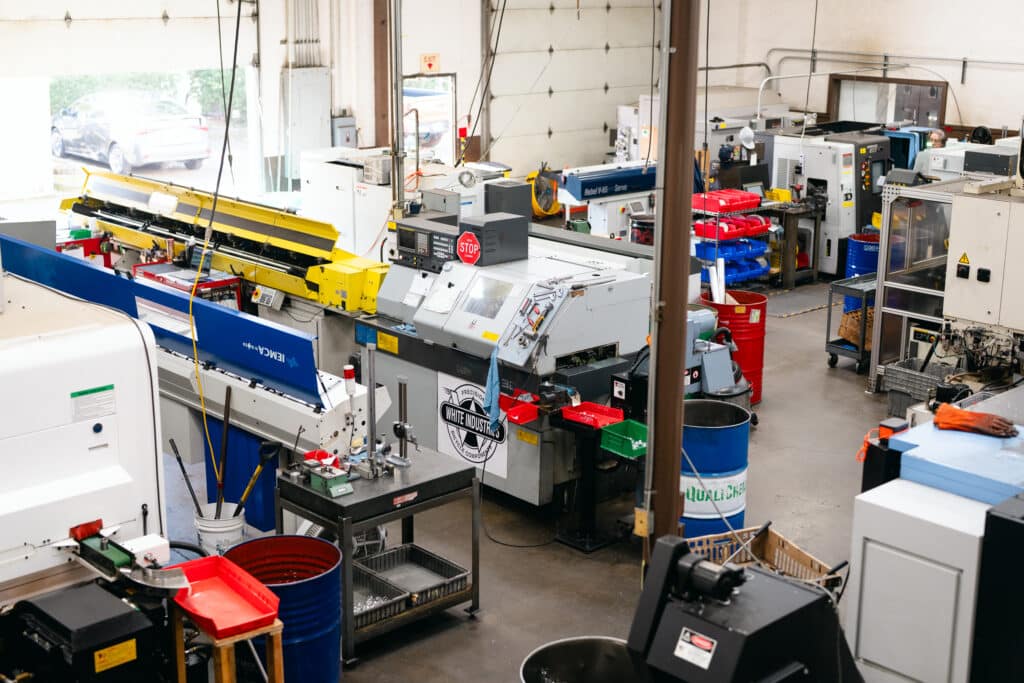
    Manufacturing isn’t just where something is made—it’s how decisions are made, problems are solved, and standards are upheld. At White Industries, nearly every step of the process happens under one roof in Petaluma, California, from raw material to finished component.

    This approach isn’t the fastest or the simplest. It is, however, the most consistent—and consistency matters when you’re building parts meant to be ridden for years.


    It Starts With Raw Material

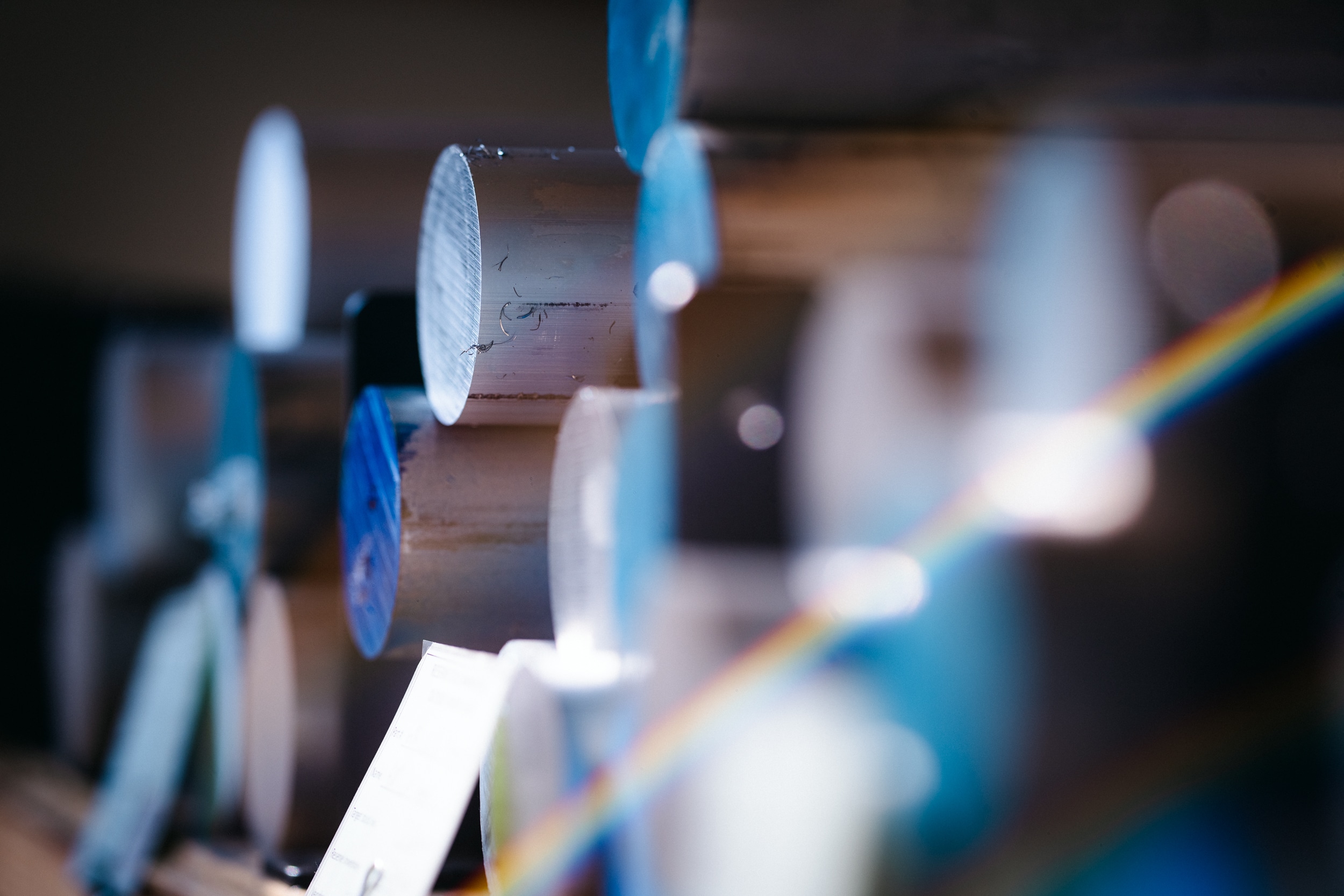
    Every component begins as raw material: aluminum, steel, titanium. Material selection is deliberate and conservative, prioritizing stability, machinability, and long-term durability over novelty or cost savings.

    Because manufacturing happens in-house, material quality can be verified and controlled before a part ever touches a machine. That early oversight sets the foundation for everything that follows. Tolerances, finishes, and service life are all influenced by decisions made at this stage.


    Machining In-House, Start to Finish

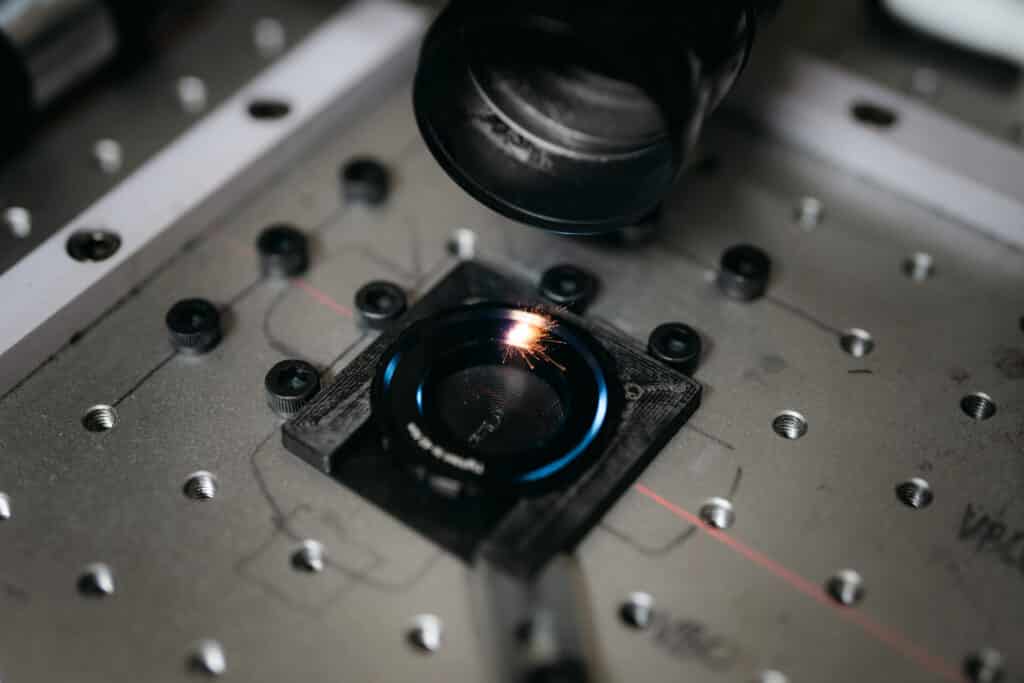
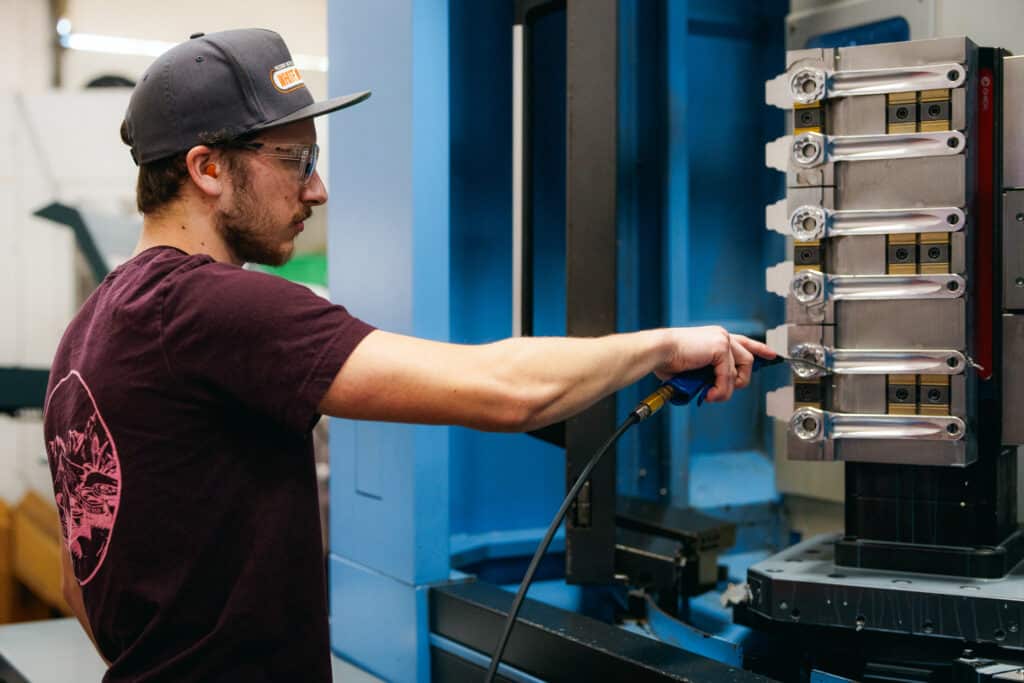
    Once material is selected, it moves directly into machining—performed entirely in Petaluma. Hubs, cranks, chainrings, freewheels, bottom brackets, and small hardware are all precision-machined on-site.

    In-house machining allows for:

    • Tight control over tolerances
    • Immediate adjustments when improvements are identified
    • Consistency across production runs
    • Long-term stability of designs and specifications

    If something can be improved, it happens here—without waiting on overseas communication loops or third-party schedules.


    Process Control and Iteration

    Because design, machining, and assembly are physically close, feedback loops are short. A machinist can speak directly with engineering. Assembly feedback can inform machining adjustments. Problems are solved quickly and directly.

    This proximity matters. It’s how subtle refinements happen—changes that might never justify a new product launch but meaningfully improve durability, serviceability, or consistency.


    Inspection at Every Stage

    Quality control is not a single checkpoint at the end of production. Parts are inspected throughout the process:

    • During machining
    • After critical operations
    • Before assembly
    • After final assembly

    This layered approach catches issues early, reduces waste, and ensures that finished components meet the same standards batch after batch.


    Assembly Where It’s Made

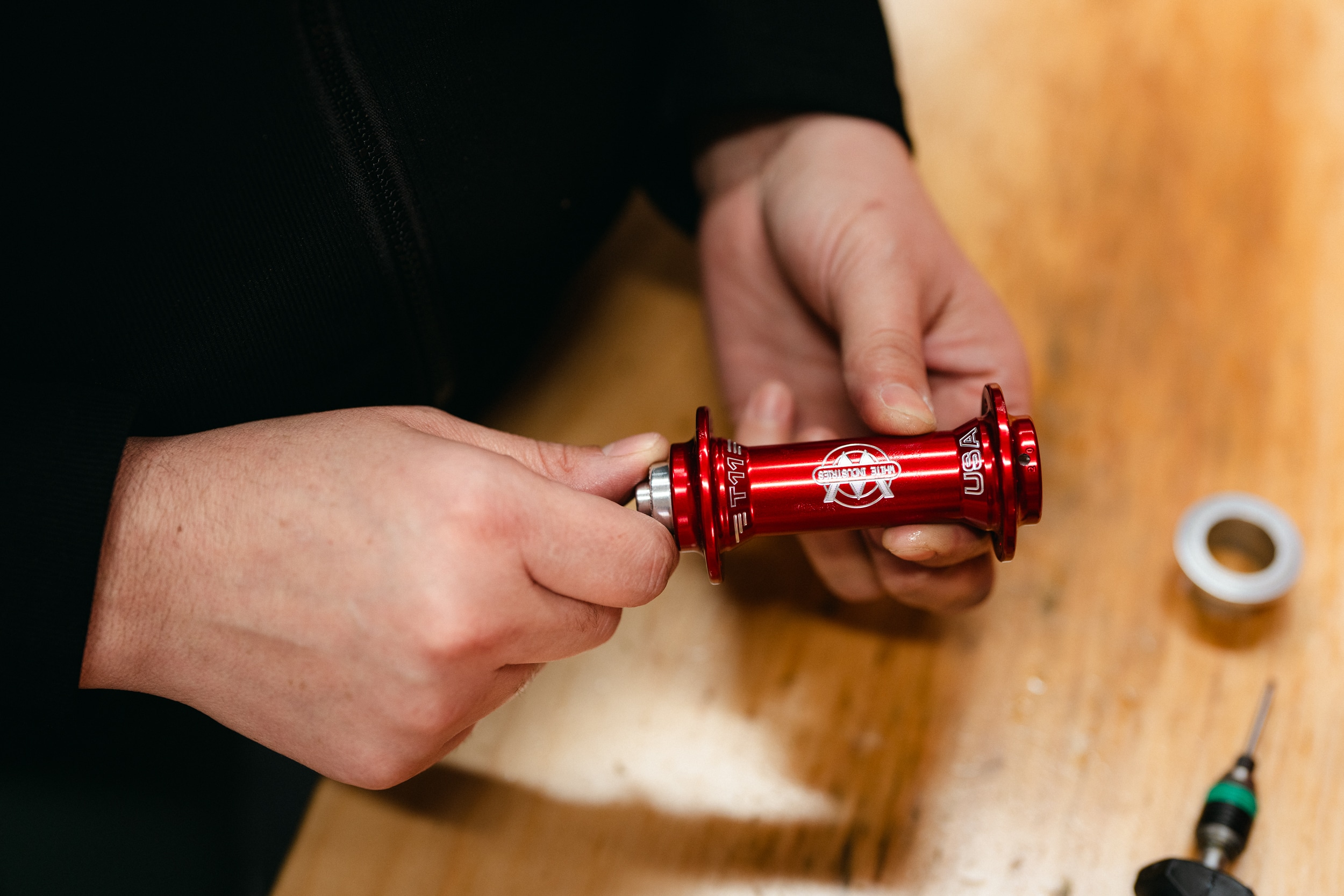
    Final assembly also happens in Petaluma. Bearings are installed, mechanisms are assembled, tolerances are checked, and components are prepared for service life.

    Because assembly is in-house, components are built with serviceability in mind from the start. Replacement parts, documentation, and long-term support aren’t afterthoughts—they’re built into the system.


    The One Exception: Anodizing

    The only step that happens outside our facility is anodizing.

    Anodizing requires specialized chemical processing that is best handled by trusted partners who meet environmental and quality standards. Finished machined parts are sent out for anodizing and then returned to Petaluma for final inspection and assembly when applicable.

    Even here, control remains important. Finishes are specified carefully, batches are tracked, and returned parts are inspected to ensure they meet our standards before moving forward.


    Why One Roof Matters

    Keeping nearly the entire manufacturing process under one roof provides real benefits to riders and partners alike:

    • Consistency: Fewer variables mean more predictable performance.
    • Longevity: Stable designs and tight tolerances support long service life.
    • Serviceability: Replacement parts and support remain available long-term.
    • Accountability: Problems are owned and solved internally.
    • Continuity: Products aren’t constantly changing due to supply-chain pressure.

    This approach also insulates production from many of the disruptions that affect globally fragmented manufacturing—tariffs, shipping delays, and sudden supplier changes.


    A Deliberate Way of Working

    Manufacturing everything possible in Petaluma isn’t about nostalgia or marketing claims. It’s a practical choice rooted in how we believe components should be made: thoughtfully, carefully, and with long-term use in mind.

    From raw material to finished product, nearly every step happens here. It’s slower. It’s more hands-on. And it’s exactly why our components are built the way they are. Made under one roof.

  • Serviceability matters

    Serviceability matters

    Serviceability is often treated as optional. We see it as essential.

    Bicycle components experience wear—it’s unavoidable. Bearings see thousands of rotations, seals are exposed to dirt and moisture, and small tolerances matter more over time. The difference between a disposable part and a serviceable one is what happens next.

    Serviceable components are designed to be maintained, rebuilt, and returned to proper function rather than discarded. That extends product life, reduces waste, and allows riders and mechanics to address issues before they become failures.

    At White Industries, rebuildability is part of the design process. Bearings are replaceable. Freehub components are accessible. Documentation is clear. The goal is simple: keep good parts in use for as long as possible.

    This approach benefits riders in practical ways. It lowers long-term ownership cost, ensures consistent performance, and allows components to adapt to changing conditions rather than being replaced prematurely. It also supports bike shops and mechanics who value repair over replacement.

    Serviceable design requires more upfront consideration, but it pays off over time. Components that can be maintained don’t just last longer—they perform more consistently across their lifespan.

    When riders can service their equipment, they gain confidence in it. And confidence matters when a bike is part of daily life.

    Check out our tech docs.

  • Built to last

    Built to last

    Longevity isn’t accidental. It’s the result of deliberate decisions—materials chosen for durability, tolerances held tightly, and designs that anticipate years of use rather than a single season of riding. That is why we believe in the philosophy of Built to Last.

    At White Industries, we design components with the expectation that they’ll be ridden daily, serviced regularly, and relied upon long term. That mindset shapes everything from how parts are machined to how easily they can be rebuilt. A component that lasts longer reduces waste, lowers lifetime cost, and earns trust through consistent performance.

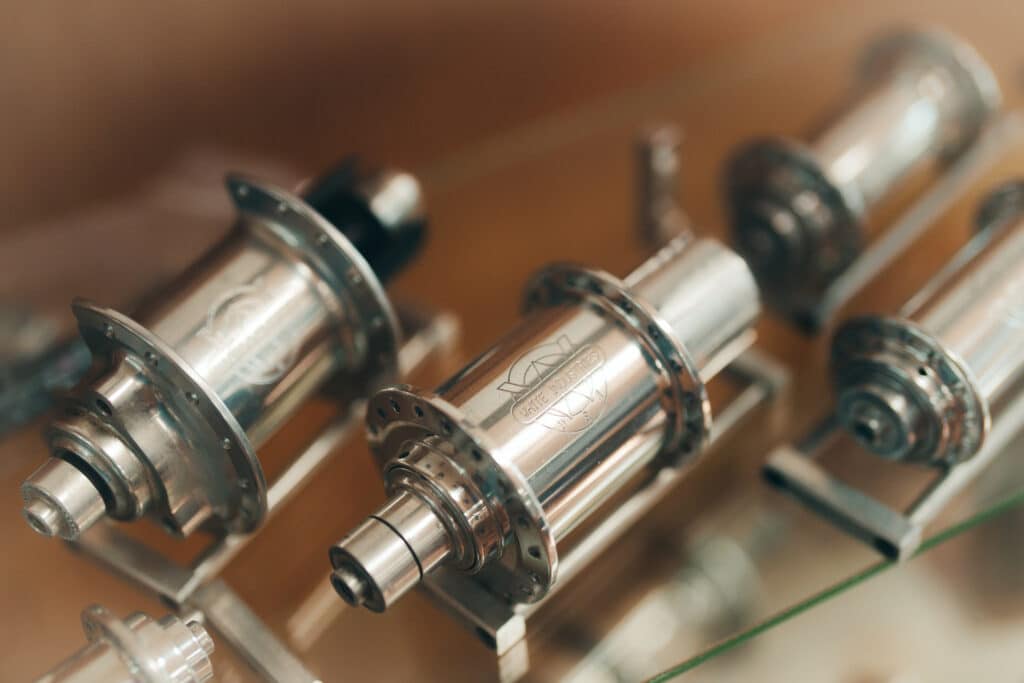
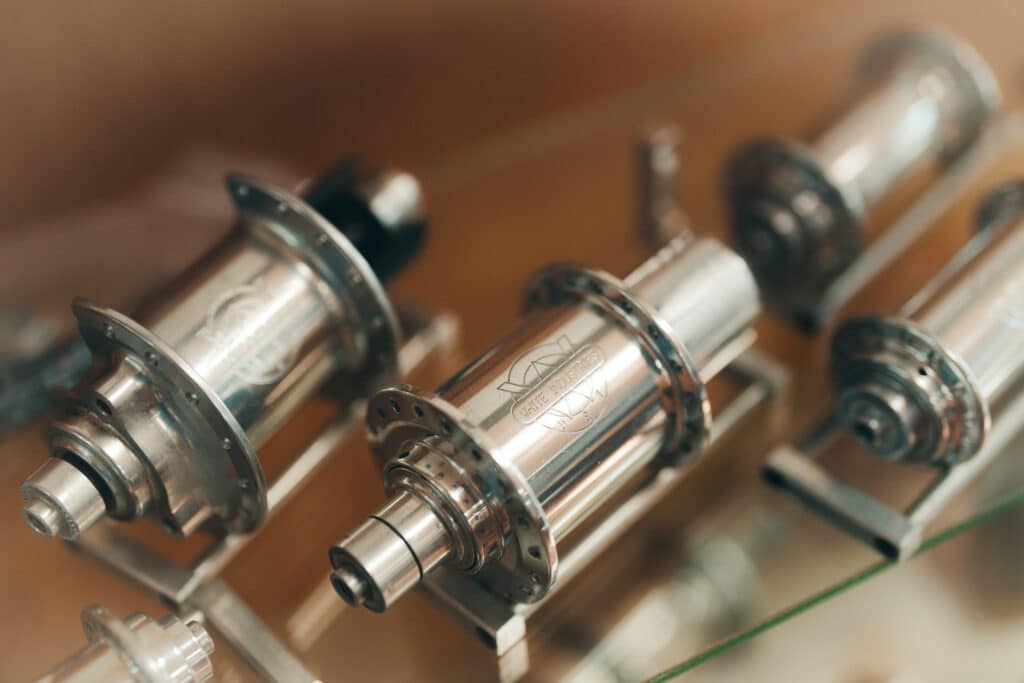
    Two hubs in display case that are over 30 years old. Built to Last.

    Trends come and go quickly in cycling. New standards appear, aesthetics shift, and marketing language evolves. Longevity cuts through all of that. A hub or crank should do its job quietly and reliably, year after year, without demanding attention or replacement.

    Durable components aren’t just about strength—they’re about predictability. Consistent bearing alignment, stable engagement, and materials that wear evenly all contribute to parts that age well instead of failing unexpectedly. These details often go unnoticed when everything is working correctly, which is exactly the point. Built to Last.

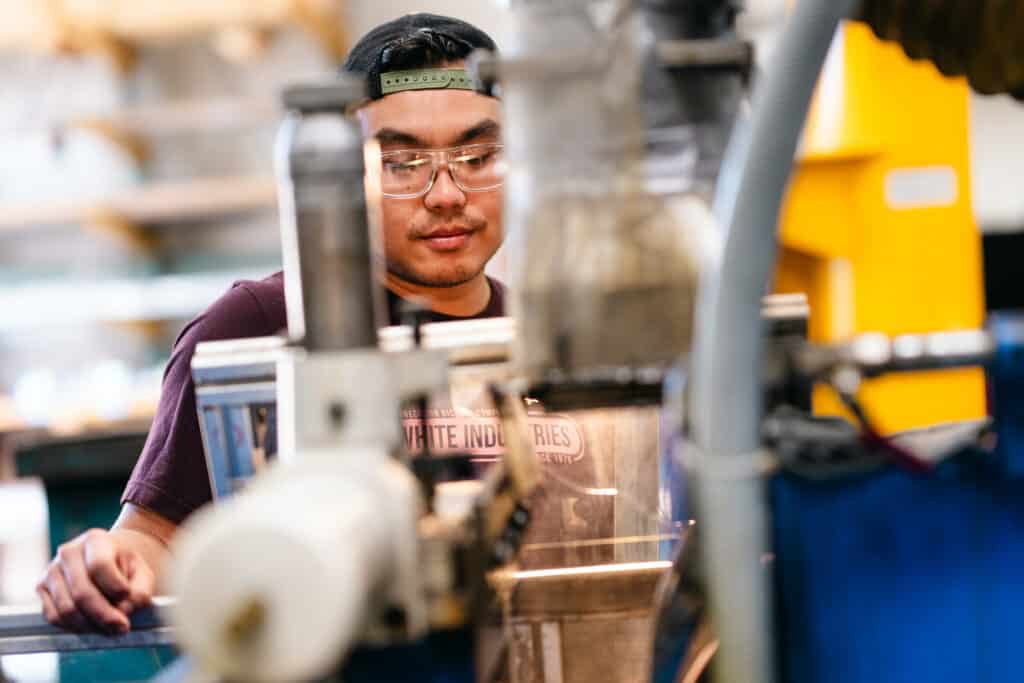
    Meet the Family that makes it all happen.